
By Stephen Simon
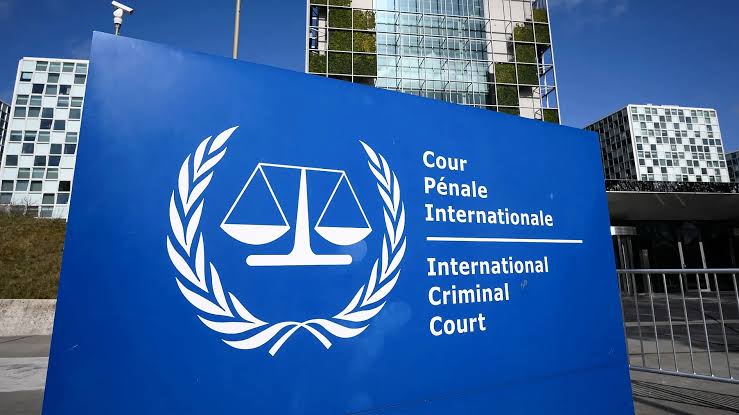
A Pan-African youth advocacy organisation, the Pan-African Youth Development Network, has backed calls for Nigeria to consider withdrawing from the International Criminal Court, ICC, over alleged concerns about the selective application of international justice.
The group threw its weight behind the position of a member of the House of Representatives, Philip Agbese, who had recently urged Nigeria to reconsider its continued membership of the Hague-based court.
In a statement issued on Monday and signed by its Country Director, Dr Charles Okolo, the organisation described Agbese’s position as timely and reflective of growing concerns across Africa over what it described as perceived imbalance in the international justice system.
The group alleged that the ICC had increasingly been perceived as focusing disproportionately on African countries while alleged violations involving powerful states and influential global actors often attracted less attention.
It argued that the credibility of any international judicial institution depended on its ability to apply justice consistently, regardless of the nationality, political influence or geopolitical strength of those involved.
According to the organisation, the pattern of investigations and prosecutions associated with the ICC over the years had reinforced the perception among sections of the African public that the continent had become a primary target of the court.
PAYDN, however, said its position should not be interpreted as opposition to accountability or a rejection of the fight against impunity.
Rather, it said the call was aimed at encouraging the development of a more balanced international legal order in which alleged crimes against humanity, war crimes and genocide would be investigated and prosecuted without political considerations.
The organisation also called on the African Union to intensify efforts towards strengthening continental judicial institutions capable of dealing with serious international crimes while maintaining internationally recognised standards of justice.
It said Africa possessed the intellectual and institutional capacity required to develop stronger regional mechanisms that could complement or provide alternatives to external judicial institutions.
The group further argued that Nigeria, as one of Africa’s largest democracies and an influential voice in international diplomacy, should take a leading role in discussions concerning reforms to the global justice system.

It urged Nigerian policymakers, civil society organisations and other stakeholders to begin a broad national conversation on the country’s relationship with the ICC and the future of international criminal justice in Africa.
PAYDN also called on African governments to collectively review their engagement with the ICC and demand reforms aimed at restoring confidence in the institution.
The organisation said any international court seeking genuine global legitimacy must demonstrate equal commitment to investigating and prosecuting alleged crimes irrespective of nationality, political status or geopolitical influence.
It further announced plans to work with Nigeria’s delegation to the Pan-African Parliament in South Africa to seek the presentation of a formal motion on the issue at the parliament’s next extraordinary session.
The development is likely to generate further debate in Nigeria and across Africa over the country’s obligations under the Rome Statute, the effectiveness of the ICC and the continent’s long-standing concerns about perceived unequal treatment within international justice mechanisms.