
By Stephen Simon
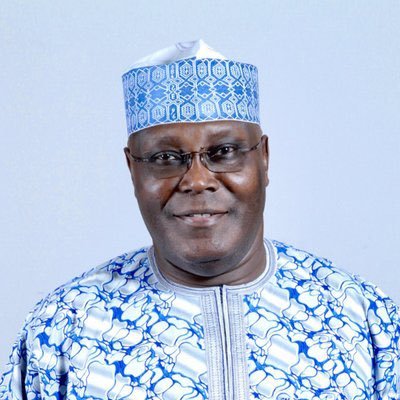
Former Vice-President Atiku Abubakar has challenged President Bola Tinubu’s administration to account for the savings from the removal of petrol subsidy, following the renewed threat by the Academic Staff Union of Universities (ASUU) to embark on a nationwide strike.
Atiku, the presidential candidate of the African Democratic Congress (ADC), said the looming industrial action exposed what he described as the failure of the Federal Government to translate increased revenues into improved public education.
In a statement issued by his Senior Special Assistant on Public Communication, Phrank Shaibu, the former vice-president questioned the continued crisis in the nation’s universities despite the government’s claim that the removal of subsidy had increased resources available to the government.
ASUU had warned that its members could commence a nationwide strike within the shortest possible time unless the Federal Government addressed outstanding issues affecting university lecturers. The union’s President, Chris Piwuna, said the warning followed an emergency meeting of its National Executive Council in Abuja.

Atiku argued that Nigerians had accepted the removal of petrol subsidy on the assurance that savings from the policy would be channelled into critical sectors, including education, healthcare and infrastructure. He said the continued deterioration of public universities raised questions about how the additional revenue was being utilised.
The former vice-president also criticised the rising cost of food, transportation and education, saying families were being forced to bear the consequences of economic reforms while public services remained under pressure.
He said the renewed ASUU crisis should compel the government to explain how subsidy savings had been deployed, arguing that Nigerians should see tangible improvements in classrooms, laboratories, hostels, teaching facilities and the welfare of university staff.