
By Stephen Simon
The Federal Government has announced a 30-day petrol price relief measure through the Nigerian National Petroleum Company Limited (NNPCL), as opposition figures question whether the intervention will provide lasting relief to Nigerians grappling with rising transportation and living costs.
Under the arrangement announced by the Minister of Finance and Coordinating Minister of the Economy, Taiwo Oyedele, NNPCL will forgo its retail profit margin and sell petrol at cost for an initial period of 30 days.
The initiative is intended to cushion the impact of rising international crude oil prices and volatility in the petroleum market, with commercial transport operators expected to receive priority under the arrangement.
According to the government, the intervention is designed to provide temporary support to vulnerable households and reduce some of the pressure on transportation costs. The administration also hopes that other fuel marketers will adopt similar measures to ease the burden on consumers.
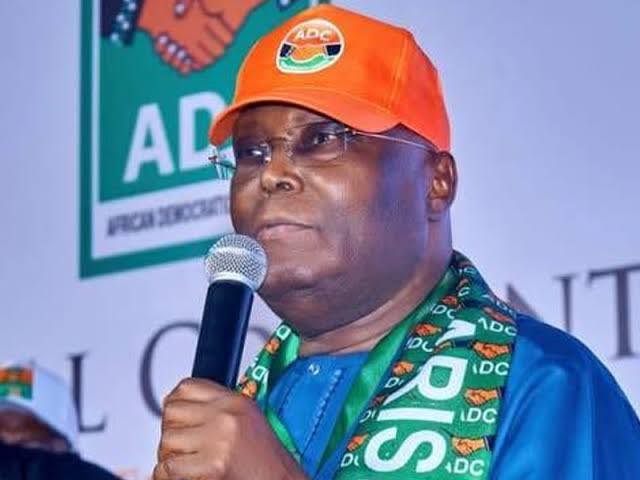
However, former Vice President Atiku Abubakar has criticised the initiative, describing it as a temporary response to a much deeper economic problem. He argued that Nigerians require sustainable measures capable of addressing persistently high petrol prices, transportation fares and food costs.
The Nigeria Democratic Congress also faulted the policy, questioning its effectiveness and arguing that the government had not adequately explained how the benefits would reach ordinary Nigerians.
The opposition has also raised concerns about the limited duration of the intervention and what would happen when the 30-day period expires.
The government, however, maintains that the arrangement is not a return to petrol subsidy but a temporary decision by NNPCL to sell at cost.
The effectiveness of the initiative will largely depend on the availability of participating outlets, the actual savings consumers obtain and whether transport operators translate the relief into lower fares.
With petrol prices affecting virtually every sector of the economy, Nigerians will be watching closely to determine whether the intervention produces meaningful relief or merely offers a short-lived respite from rising living costs.