
By Stephen Simon
A Borno State High Court has sentenced a farmer to 15 years imprisonment for allegedly concealing information relating to Boko Haram activities, in a ruling that underscores Nigeria’s continuing legal offensive against terrorism-related offences.
The conviction followed charges that the defendant failed to disclose relevant information about the operations and movements of Boko Haram insurgents to security authorities, an omission prosecutors said aided the group’s activities in affected areas of the North-East.
The court held that the farmer had knowledge of the insurgents’ activities but deliberately withheld the information from appropriate security agencies, contrary to provisions of Nigeria’s anti-terrorism legislation, which mandates citizens to report actionable intelligence.
During the trial, prosecutors argued that timely disclosure of such information could have enabled security forces to prevent attacks or disrupt planned operations by the insurgents, thereby reducing civilian casualties and damage in affected communities.
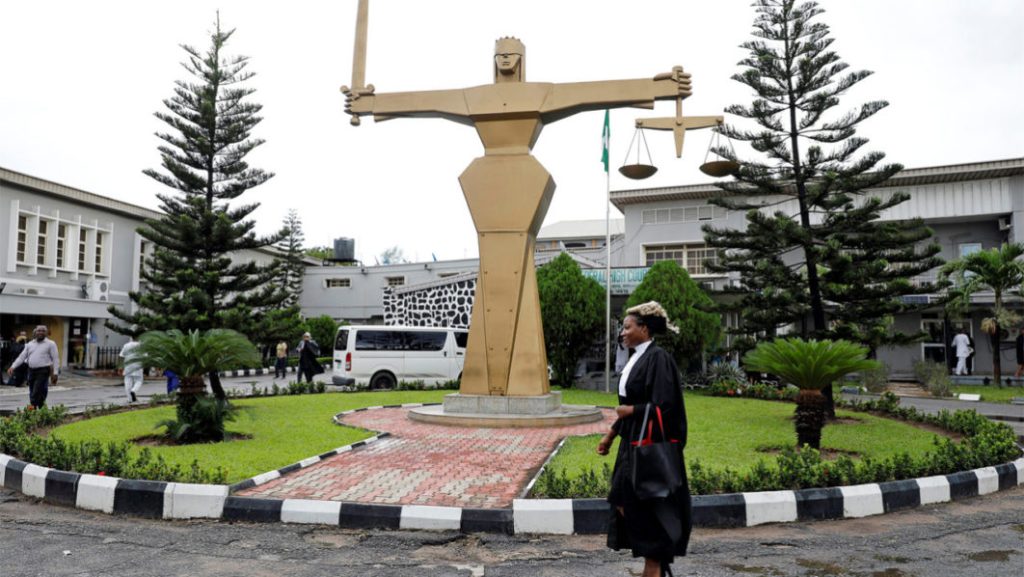
The case was heard at the Borno State High Court in Maiduguri, the state capital and long-standing epicentre of Boko Haram’s insurgency, which has lasted for more than a decade despite sustained military counteroffensives.
Delivering judgment, the presiding judge held that the prosecution had successfully proven its case beyond reasonable doubt, adding that the sentence was necessary to reinforce compliance with national security laws and discourage concealment of terrorism-related intelligence.
The ruling reflects Nigeria’s stringent legal framework on terrorism offences, which extends liability beyond direct participation to include failure to report or deliberately withholding information that could assist security operations.
Borno State continues to bear the brunt of Boko Haram and its splinter groups, with periodic attacks on rural communities persisting despite ongoing military campaigns and counterinsurgency operations across the North-East theatre.

Security analysts say the case highlights an increasing reliance on intelligence-based prosecution as part of broader efforts to dismantle insurgent networks and strengthen community accountability in conflict-affected regions.
The convicted farmer is expected to serve the full 15-year sentence unless overturned on appeal at a higher court.