
By Stephen Simon
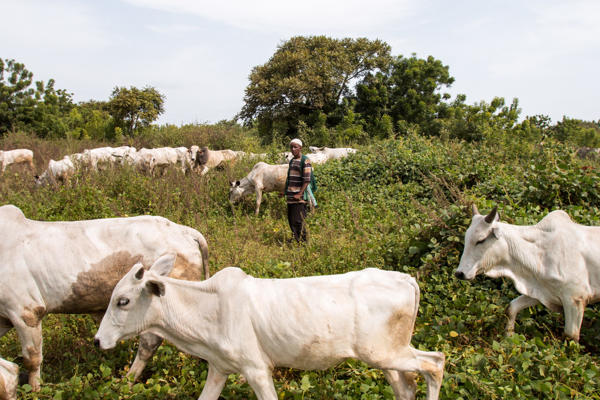
The Federal Government has identified 470 gazetted and legally protected grazing reserves across the country as part of a broader strategy to resettle pastoralists, modernise livestock production and bring an end to the practice of cattle roaming freely in major cities and communities.
Minister of Livestock Development, Idi Maiha, disclosed this during an interview on Arise News while discussing the implementation of the National Dairy Policy Framework and ongoing reforms aimed at transforming Nigeria’s livestock sector.
Maiha said the government is encouraging pastoralists to adopt a sedentary lifestyle by relocating to designated grazing reserves, where interventions aimed at improving productivity, animal health and disease control can be more effectively implemented.
According to him, the initiative is expected to improve livestock management, strengthen disease surveillance and facilitate genetic improvement programmes designed to boost meat and milk production.
Responding to questions on whether Nigerians should expect an end to cattle roaming in cities such as Abuja, Lagos and other urban centres, the minister said open grazing is no longer sustainable and must give way to modern livestock management practices.
He explained that the movement of cattle over long distances contributes to low productivity, poor animal health outcomes and challenges in meeting the country’s growing demand for dairy products.
“We are sensitising pastoralists to adopt a sedentary lifestyle. Once they settle in designated reserves, all the interventions required to improve productivity become easier to implement,” Maiha said.
The minister also revealed plans to introduce jaw-tagging technology for livestock tracking, explaining that the system would help monitor the movement of animals and quickly detect cases of theft or straying.
“We are also introducing jaw-tagging of animals so that once a cow steps outside its designated boundary, an alarm is triggered, indicating it has either strayed or been stolen, and it can be returned immediately,” he added.
Speaking on dairy production, Maiha expressed concern over Nigeria’s low milk yield, noting that the country currently produces between 1.2 and 2 litres of milk per cow daily, far below the output recorded in leading dairy-producing countries.
He cited Kenya as an example, where improved breeds and modern farming practices have enabled farmers to achieve milk yields of up to 30 litres per cow per day.
According to the minister, poor livestock genetics, inadequate feeding systems and weak disease management structures remain major factors limiting productivity in Nigeria’s livestock sector.

He noted that despite having an estimated 270 million ruminants, including cattle, sheep, goats and camels, Nigeria has yet to undertake large-scale genetic improvement programmes capable of significantly increasing production.
Maiha lamented that while research institutions, veterinary colleges and agricultural experts are available across the country, their findings have not been fully translated into practical interventions for livestock farmers.
“While every other thing in our national space has changed, we have not been able to transform our livestock by introducing new genetics or selecting based on performance traits,” he said.
According to him, deliberate investments in breeding programmes could raise milk production from the current average of two litres per cow to between 15 and 50 litres per day, depending on breed quality and management systems.
The minister said the Federal Government’s livestock transformation agenda is anchored on three key pillars—improved feeding, effective disease control and enhanced genetics.
He added that the implementation of the National Dairy Policy Framework is expected to boost local milk production, reduce the country’s dependence on dairy imports, create jobs across the livestock value chain and strengthen food security.
The reforms form part of the broader efforts of the newly created Ministry of Livestock Development to modernise Nigeria’s livestock industry and unlock its economic potential through sustainable and technology-driven practices.