
By Stephen Simon
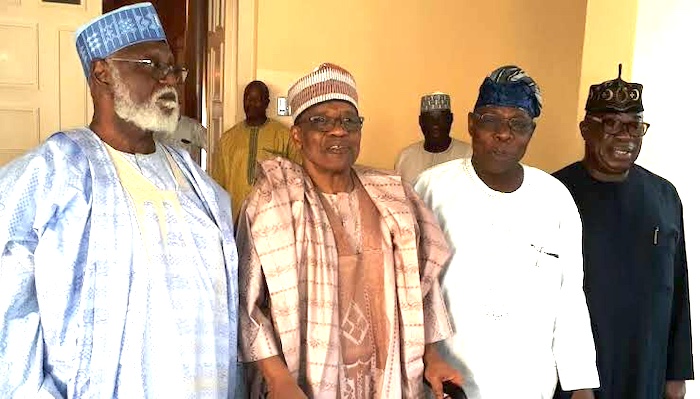
The recent meeting between former Heads of State, Ibrahim Badamasi Babangida and Abdulsalami Abubakar, and former President Olusegun Obasanjo has continued to generate widespread political interest, with analysts speculating on its significance amid Nigeria’s evolving political landscape.
The closed-door meeting, held at General Babangida’s residence in Minna, Niger State, brought together three of Nigeria’s most influential elder statesmen whose combined years in public service have continued to shape national discourse long after leaving office.
Although details of their discussions were not officially disclosed, the gathering has attracted attention because of the timing, coming against the backdrop of growing economic challenges, security concerns and increasing political activities ahead of the 2027 general elections.
Observers note that meetings involving former Nigerian leaders have often focused on issues of national unity, democratic stability, governance and the search for solutions to critical national challenges. However, none of the participants publicly indicated that any political decisions were reached during the engagement.
Political analysts believe the consultation reflects the continued influence of elder statesmen in Nigeria’s democratic process, particularly at periods when the nation faces pressing socio-economic and security issues requiring broad national consensus.
The meeting has also triggered varied reactions among political stakeholders, with some describing it as a routine consultation among former leaders, while others view it as a demonstration of the continuing role of experienced statesmen in national affairs.

Despite the public interest surrounding the gathering, observers say attention should remain on any official communication that may emerge from the participants rather than speculation over the purpose or outcome of the meeting.
As Nigerians await further clarification, the Minna meeting has once again underscored the enduring relevance of consultation among former national leaders and the public’s keen interest in engagements that could influence the country’s political and governance trajectory.