
By Stephen Simon
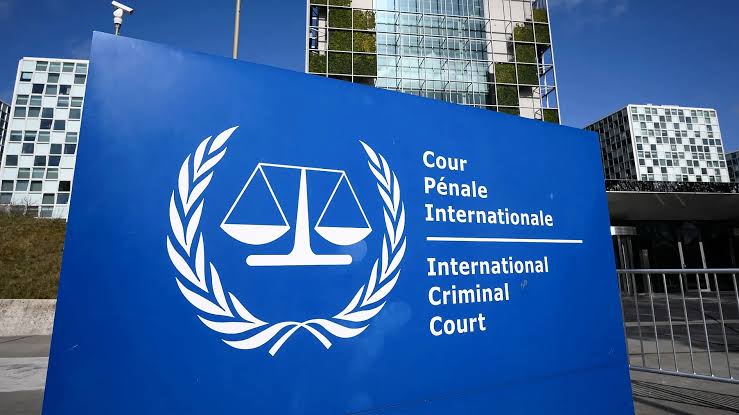
The government of Chad has formally announced its intention to withdraw from the International Criminal Court (ICC), becoming the latest African country to distance itself from the Hague-based tribunal. The announcement was made after the Chadian government submitted a formal notice to the United Nations, beginning a withdrawal process that is expected to take at least one year before it takes legal effect.
Chad said its decision was driven by concerns that the ICC has failed to deliver justice fairly and has disproportionately focused its investigations on African countries while allegedly overlooking serious crimes committed elsewhere. Government officials argued that the court has gradually lost the confidence of many African nations, reviving long-standing accusations of selective justice and political bias.
The decision comes at a particularly sensitive time for the ICC, which is grappling with leadership challenges following the removal of its former Chief Prosecutor, Karim Khan, over allegations of sexual misconduct. Khan has denied the allegations, but his departure has added to the uncertainty surrounding the court as it continues to handle several high-profile investigations involving conflicts in Ukraine, Sudan, Gaza and other regions.
The United States welcomed Chad’s decision, describing it as a sovereign choice. Washington has repeatedly criticised the ICC, particularly over investigations involving U.S. allies, and has maintained that the court should not exercise jurisdiction over countries that are not parties to the Rome Statute. American officials also encouraged other nations to reassess their relationship with the tribunal.
Chad now joins Niger, Mali and Burkina Faso, which have also initiated processes to withdraw from the court in recent years. The decisions reflect growing dissatisfaction among some African governments, many of which argue that international justice should be administered without regional bias. However, human rights organisations have expressed concern that more withdrawals could weaken global efforts to hold perpetrators of genocide, war crimes and crimes against humanity accountable.

Supporters of the ICC insist that despite its challenges, the court remains the world’s only permanent international tribunal established to prosecute individuals accused of the gravest international crimes when national courts are unable or unwilling to act. They argue that reforms, rather than withdrawals, are needed to strengthen the institution’s credibility and effectiveness.
For Africa, Chad’s announcement is likely to reopen debate over the continent’s relationship with international justice institutions. The African Union has, on several occasions, criticised what it views as the disproportionate focus on African cases while calling for stronger regional judicial mechanisms to complement international efforts. Analysts say more countries could review their membership if longstanding concerns about fairness and impartiality remain unresolved.