
By Stephen Simon
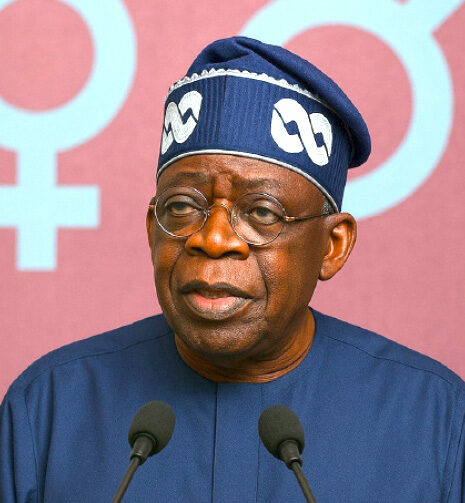
President Bola Ahmed Tinubu has formally escalated concerns regarding recurring xenophobic and Afrophobic attacks against Africans and foreign nationals in South Africa to the African Union (AU), warning that such hostilities pose a direct threat to continental unity, peace, and solidarity.
The President’s message was delivered by Vice President Kashim Shettima during the 21st Extraordinary Session of the Assembly of Heads of State and Government of the African Union held in Luanda, Angola.
Addressing the continental body, President Tinubu called on the AU leadership to officially include the issue of xenophobia on the agenda for the upcoming 40th Ordinary Session of the AU Assembly scheduled for January 2027 for formal consideration and collective policy response.
“Nigeria wishes to express its concern over the recurring xenophobic and Afrophobic attacks against Africans and other nationals in South Africa,” President Tinubu stated in the message released through the Senior Special Assistant to the President on Media and Communications (Office of the Vice President), Stanley Nkwocha.
While emphasizing that Nigeria respects South Africa’s sovereign right to enforce its domestic immigration frameworks and recognizes its overall contributions to the continent, the Nigerian leader stressed that continuous violence against foreign nationals undermines core Pan-African ideals.
“While recognising South Africa’s sovereign right to enforce its immigration laws and acknowledging its contributions to the continent, Nigeria stresses that such attacks undermine African solidarity, unity and peaceful coexistence, and require urgent collective attention,” the statement read.

Beyond the bilateral tensions surrounding foreign nationals, Nigeria also used the assembly to throw its support behind the adoption of the Luanda Action Plan, a proposed regional framework focused on proactive conflict prevention.
Tinubu cautioned member states against over-reliance on foreign military personnel, private defense contractors, and mercenaries, noting that fragmented external interventions risk eroding the AU’s conflict-prevention architecture and weakening African ownership over security solutions. He further called on international arms-exporting nations to exercise strict compliance controls to prevent weapons from being diverted to non-state armed groups and insurgent networks operating within the continent.