
By Stephen Simon
Opposition political parties seeking to challenge the ruling All Progressives Congress (APC) in the 2027 general elections have begun translating their plans for a broader alliance into concrete structures.
The coalition’s Central Leadership Committee held its inaugural meeting on Wednesday, September 16, following the opposition summit held in Abuja on August 31.
The committee, convened under the G-100 initiative led by former APC National Vice-Chairman, Salihu Lukman, agreed on operational principles intended to guide the participating parties.
According to a statement issued by Lukman, the coalition agreed that its meetings would be chaired on a rotating basis among participating parties, with the arrangement intended to promote equality and mutual respect.
The committee also began implementing resolutions reached at the August summit, including plans to establish publicity and legal committees as well as five working groups.
The working groups are expected to develop proposals on opposition unity, a possible transition arrangement, a national reform programme and a roadmap towards producing a common presidential candidate for the 2027 election.
The coalition also resolved to admit other opposition parties that have expressed interest in joining the initiative, while participating parties have been asked to submit nominees for the various committees.
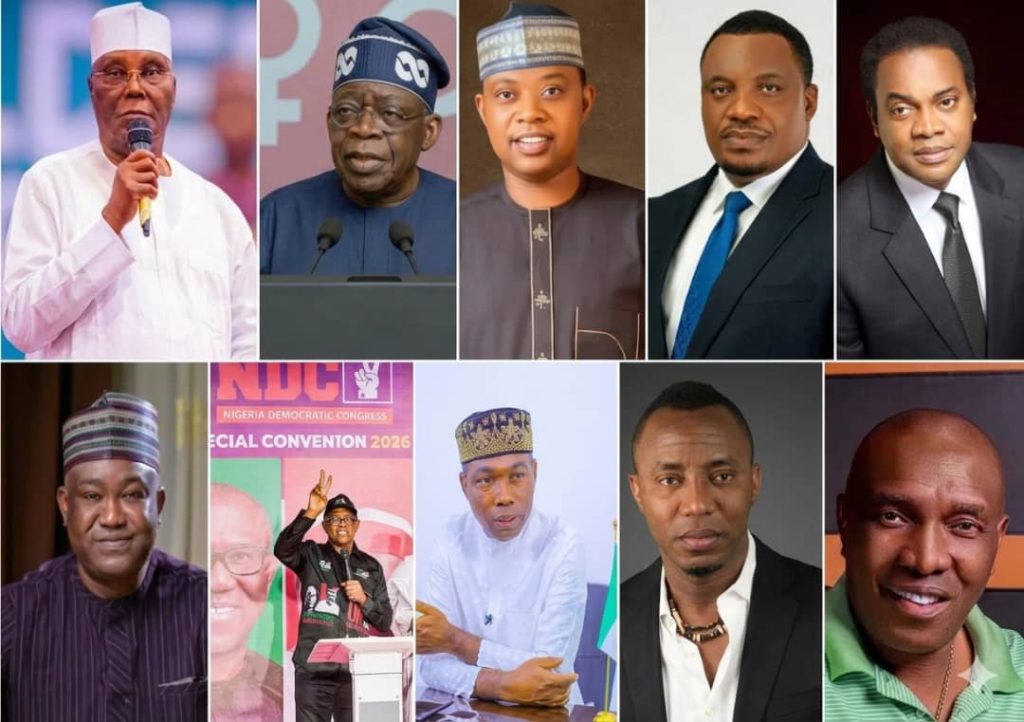
The development comes against the background of a fragmented opposition field. INEC has published 18 presidential candidates and their running mates for the January 16, 2027 presidential election, including President Bola Tinubu of the APC, Atiku Abubakar of the ADC and Peter Obi of the NDC.

With the coalition now moving from political discussions to organisational work, the coming weeks are expected to reveal whether the participating parties can agree on a common structure and presidential ticket before the 2027 campaign intensifies.