
By Stephen Simon
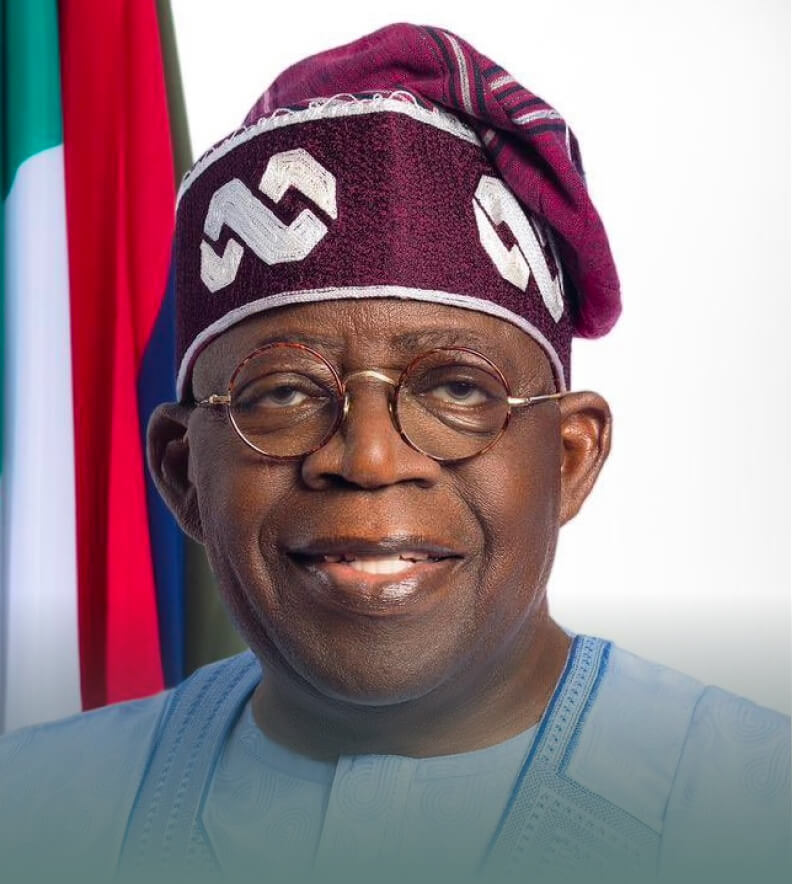
President Bola Tinubu has declared that Nigeria has moved beyond the most difficult phase of his administration’s economic reforms, promising that the next stage will focus on reducing the cost of living, creating jobs and delivering wider prosperity.
Tinubu made the declaration today in his Independence Day address to Nigerians as the country marked its 66th anniversary, saying the government had spent the past three years confronting what he described as deep-rooted weaknesses in the economy.
According to the President, the reforms have begun producing results, with the economy growing by more than four per cent this year, while both the oil and non-oil sectors have contributed to the recovery.
He also said the government had reduced oil theft, lowered inflation, strengthened non-oil revenue and rebuilt the country’s foreign exchange reserves, which he said had risen above $55 billion.

Tinubu acknowledged that the reforms had imposed significant hardship on Nigerians, but maintained that the measures were necessary to correct structural problems that had accumulated over several years.
He said the government’s priority had now shifted from economic stabilisation to ensuring that growth translates into better living conditions, employment opportunities and increased production.
The President said the administration was also intensifying efforts to expand infrastructure, strengthen domestic production and improve the business environment, arguing that a stronger productive base would reduce the country’s dependence on imports.
He urged Nigerians to remain patient and support the government’s economic direction, saying the sacrifices made during the reform period must ultimately translate into tangible improvements in household incomes and living standards.
Tinubu also ruled out a return to the petrol subsidy regime, insisting that the country must consolidate the reforms while focusing on measures capable of reducing production and transportation costs and improving the welfare of Nigerians.
He said his administration would continue to work with state governments, businesses and other stakeholders to ensure that economic growth becomes more inclusive and creates opportunities for young Nigerians.