
By Stephen Simon
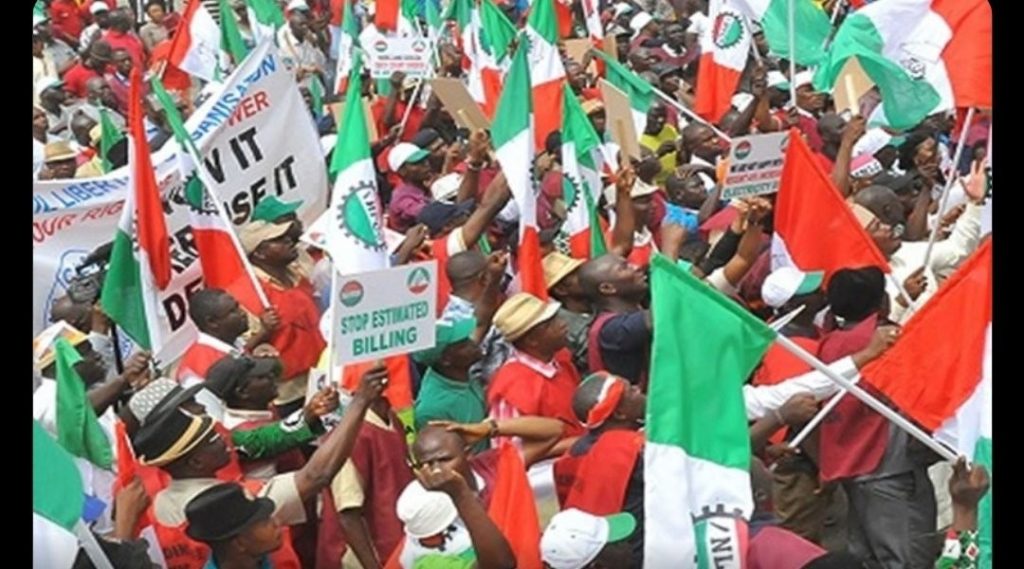
The Nigeria Labour Congress (NLC) has given the Federal Government a 14-day ultimatum to reduce petrol prices and commence negotiations for a new national minimum wage, warning that failure to address its demands could trigger further action by organised labour.
The ultimatum, which begins on Friday, October 9, was contained in a communiqué issued after a joint meeting of the NLC’s National Executive Council and Central Working Committee in Abuja.
The labour movement is demanding measures to bring petrol prices nationwide down to their 2024 levels, when the current national minimum wage was signed, arguing that workers’ earnings have been severely eroded by rising living costs.
The congress also called for the commencement of negotiations on a new national minimum wage, alongside the implementation of outstanding agreements affecting public-sector workers.
Among its other demands are the implementation of the terms of settlement reached with the Joint Health Sector Unions and Assembly of Healthcare Professionals on February 5, 2026, as well as outstanding matters involving the Joint Public Sector Negotiating Council.

The NLC said the demands represented minimum measures required to ease workers’ suffering and restore dignity to their livelihoods.
It also directed its affiliates and progressive allies to remain on alert and prepare for further action should the government fail to meet the demands within the stipulated period.
The latest ultimatum comes amid renewed public debate over petrol prices, the cost of transportation and the purchasing power of Nigerian workers.
Although the Federal Government has announced a temporary 30-day petrol price relief arrangement through NNPCL, labour’s demands extend beyond the immediate intervention to include wage negotiations and the implementation of existing agreements.
The development presents another challenge for the administration as it seeks to balance economic reforms with growing pressure from workers and households.
Whether the dispute results in negotiations or escalates into industrial action will depend largely on the government’s response before the deadline expires.