
By Stephen Simon
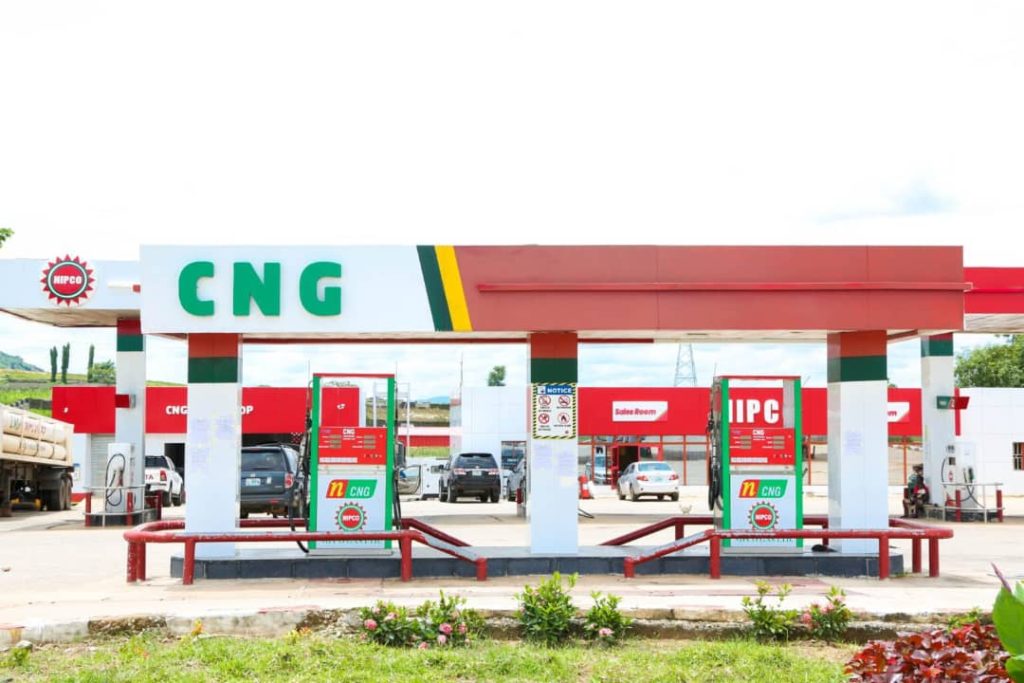
The Federal Government has intensified efforts to ensure that Nigerians benefit from lower transport fares under its Compressed Natural Gas (CNG) initiative, following private-sector investments estimated at more than $2.5 billion.
The Presidential Initiative on Compressed Natural Gas and Electric Vehicles said it was engaging state governments, transport unions and commercial fleet operators to ensure that the benefits of cheaper fuel translate into reduced transportation costs for commuters.
Under the proposed arrangement, buses supported by the programme will carry stickers displaying their approved routes and fares to enable passengers to know the expected charges before boarding.
Onyekachi Eke, Head of Brand and Communications at the initiative, said the government had commenced discussions with state governors to establish mechanisms for implementing the presidential directive on fare reductions.
According to her, the initiative is working with transport operators and unions to ensure that passengers are not overcharged and that the benefits of the programme reach ordinary Nigerians.

The programme has reportedly recorded transport fare reductions of up to 40 per cent on some designated routes in Abuja, where CNG-converted commercial vehicles operate under a partnership with the National Union of Road Transport Workers.
Similar reductions have been reported in Borno, Enugu, Niger and Abia states.
However, implementation remains uneven, with some commuters yet to experience significant reductions in fares despite the government’s investment and policy commitments.
The latest initiative comes amid persistent concerns over the cost of living and the financial pressure facing Nigerian households. The effectiveness of the programme will largely depend on whether transport operators comply with the approved fares and whether the government can sustain monitoring and enforcement across the country.