
By Stephen Simon
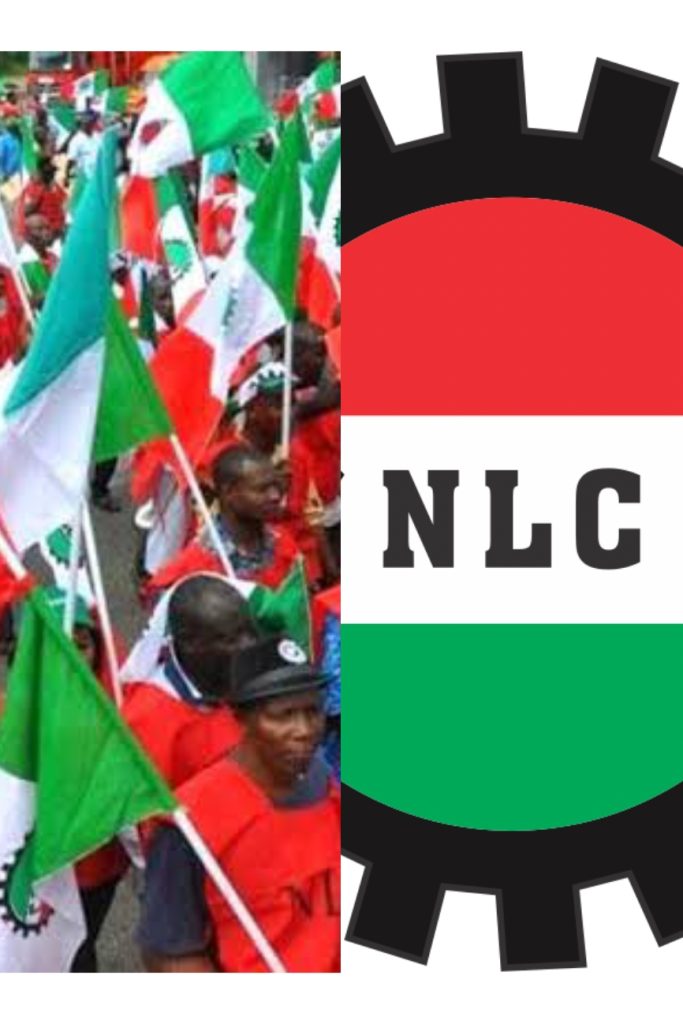
The Federal Government has approved a ₦70,000 monthly transport allowance for public service workers across all levels, following a tense conciliation meeting with the Nigeria Labour Congress (NLC) in Abuja. The intervention, set to commence in November 2026, will last for six months to cushion the impact of rising living costs .
The agreement was reached on Tuesday after the NLC’s four-day deadline to shut down the economy over fuel price hikes and minimum wage disputes expired. The government stated that the transport support is intended to provide immediate relief to workers struggling with transportation costs amid soaring fuel prices .
Beyond the transport allowance, the government also approved the payment of 19 months’ outstanding allowances owed to health workers. Payment of these arrears is expected to begin in December 2026 and will be made in three equal monthly instalments, according to the resolution signed by both parties .
The Federal Government and the NLC have urged state and local governments to participate in the intervention process and implement the agreed measures. Both parties also agreed to reconvene after one month to review the level of implementation, ensuring that the resolutions are not just paper promises .

However, the initiative has drawn criticism from some quarters. Media personality Reuben Abati described the allowance as discriminatory, noting that it excludes private-sector employees who face the same high transportation costs and fuel prices. He questioned the timing of the intervention, suggesting it could be politically motivated ahead of the elections .
The NLC had initially threatened a nationwide strike if the government failed to address the mounting economic pressures on workers. The deal averts an immediate shutdown but leaves unresolved the broader dispute over the implementation of a new national minimum wage, which remains a critical sticking point between organized labour and the government .
The agreement represents a temporary reprieve for public sector workers, but questions remain about its long-term sustainability. With the six-month window set to expire just months before the elections, the government may face renewed pressure to address the underlying economic challenges driving the cost-of-living crisis.