
By Stephen Simon
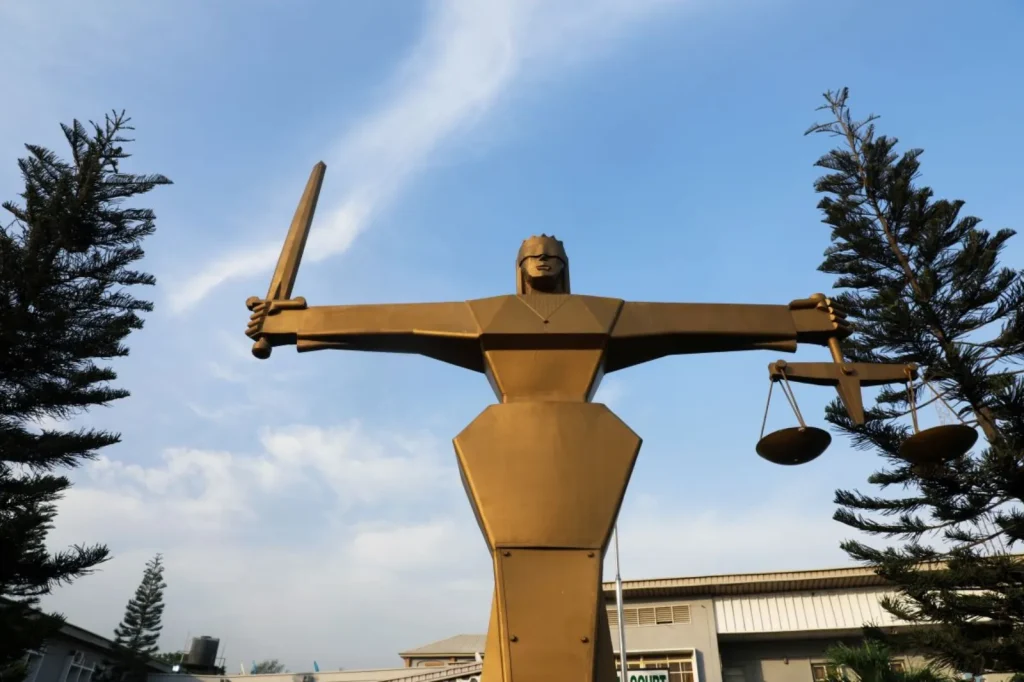
The Court of Appeal has restored the Independent National Electoral Commission’s (INEC) timetable and schedule of activities for the 2027 general elections, setting aside an earlier judgment that had disrupted aspects of the electoral process and reaffirming the commission’s constitutional powers to manage election preparations.
The appellate court held that INEC acted within the powers conferred on it by the Constitution and the Electoral Act in drawing up the timetable for political parties and other stakeholders. The court ruled that the commission has the legal authority to determine timelines necessary for the conduct of free, fair and credible elections.
The decision followed an appeal by INEC challenging the lower court’s ruling, which had questioned elements of the commission’s election schedule. In allowing the appeal, the Court of Appeal vacated the earlier decision and restored the electoral timetable in its entirety.
Legal analysts described the judgment as a significant victory for the electoral commission, noting that it provides greater certainty for political parties preparing for party primaries, candidate nominations and other activities leading to the 2027 general elections. They said the ruling also reinforces the constitutional independence of INEC in the discharge of its statutory responsibilities.
Political parties are expected to adjust their activities in line with the restored timetable, while aspirants seeking elective offices will now proceed with preparations based on the commission’s official schedule. The ruling is also expected to reduce uncertainty surrounding the electoral calendar.

Observers, however, noted that election-related litigation is likely to continue as the 2027 polls draw nearer, with courts expected to determine further disputes arising from party primaries, candidate nominations and other electoral matters.
The latest judgment underscores the critical role of the judiciary in resolving electoral disputes and ensuring that constitutional institutions operate within the limits of the law. It also provides a clearer legal framework for stakeholders as preparations for the next general elections gather momentum