
By Stephen Simon
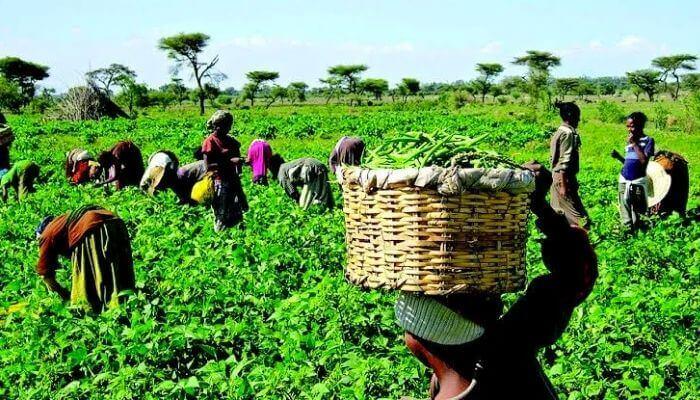
The Federal Government has reaffirmed its commitment to boosting food production across the country, announcing fresh measures to support dry season farming as part of efforts to improve food security and reduce rising food prices. The initiative is expected to expand agricultural activities in irrigated areas and increase the production of staple crops in the coming months.
Officials said the programme will involve closer collaboration with state governments, farmers’ associations and development partners to ensure that farmers have access to improved seedlings, fertilizers, irrigation facilities and extension services. According to the government, the intervention is aimed at sustaining year-round farming and reducing the country’s dependence on seasonal rainfall.
The renewed focus on dry season farming comes amid growing concerns over food inflation and the impact of insecurity on agricultural production in several parts of the country. Large areas of farmland have reportedly been abandoned because of attacks by bandits and other criminal groups, resulting in reduced harvests and increased pressure on food supplies.
Agricultural experts have welcomed the initiative, describing it as a step in the right direction. They, however, stressed that the programme’s success will depend on timely release of farm inputs, improved rural security and better access to affordable credit for smallholder farmers, who account for a significant proportion of Nigeria’s food production.

Stakeholders also urged the government to invest more in irrigation infrastructure, storage facilities and rural roads to reduce post-harvest losses and improve access to markets. They argued that increased production alone would not be sufficient unless farmers are able to transport and sell their produce efficiently.
Analysts believe that sustained investment in agriculture remains critical to Nigeria’s economic diversification agenda. They noted that strengthening food production would not only improve national food security but also create jobs, reduce import dependence and contribute to overall economic growth.