
By Stephen Simon
Political activities across Nigeria are gradually gathering momentum as major political parties, influential stakeholders and prospective aspirants begin consultations ahead of the 2027 general elections. Although the polls are still months away, behind-the-scenes meetings and strategic alliances are becoming more frequent as politicians position themselves for the next electoral cycle.
In recent weeks, prominent political figures have stepped up engagements with party leaders, traditional rulers, civil society groups and supporters in what analysts describe as early efforts to build consensus and strengthen their political structures. These consultations are taking place at both the national and state levels, reflecting the growing importance of coalition-building ahead of party primaries.
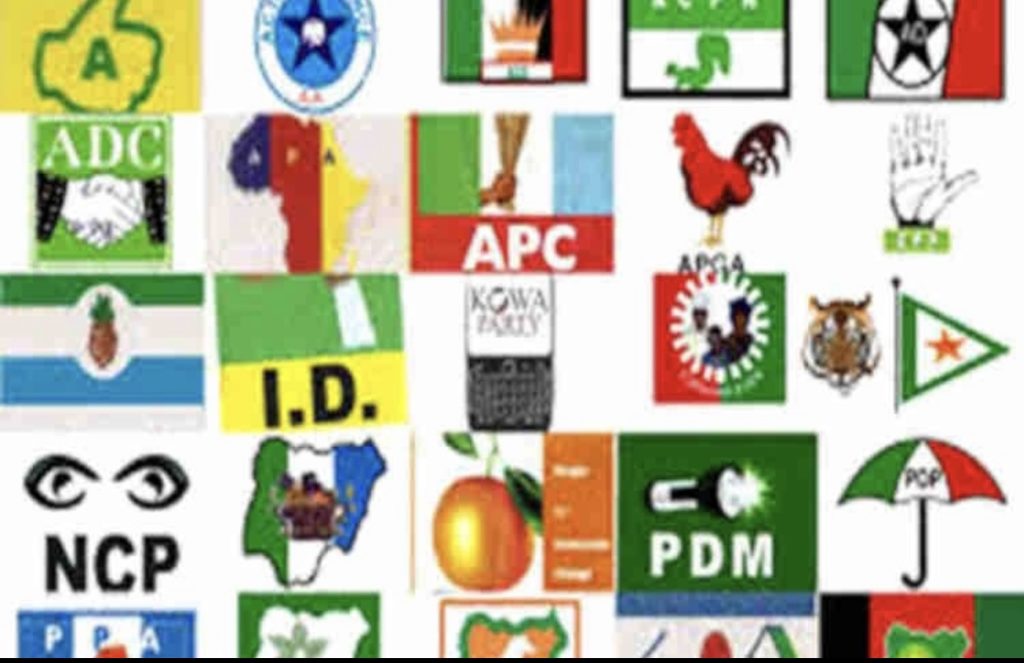
Within the ruling All Progressives Congress (APC) and the opposition parties, discussions have reportedly centred on party unity, internal reforms and strategies for improving electoral performance. Political observers say many parties are keen to resolve internal disputes early to avoid divisions that could weaken their chances during the elections.
The opposition is also exploring possible alliances aimed at presenting a stronger challenge in 2027. While no formal coalition has been announced, analysts believe ongoing talks among key political actors could reshape the country’s political landscape if agreements are reached on leadership and policy priorities.
Analysts say the state of the economy, insecurity, unemployment, inflation and the cost of living are expected to dominate political campaigns as Nigerians increasingly demand practical solutions to the country’s challenges. They argue that voters are likely to pay closer attention to candidates’ policy proposals rather than campaign rhetoric.
Civil society organisations have urged politicians to conduct issue-based campaigns and avoid inflammatory statements capable of undermining national unity. They also called on the Independent National Electoral Commission (INEC), security agencies and political parties to begin preparations early to ensure transparent, peaceful and credible elections.

Political commentators further stressed the need for parties to promote internal democracy by conducting free and fair primaries that reflect the wishes of their members. According to them, transparent candidate selection processes would reduce post-primary litigation and strengthen public confidence in the electoral process.
Although the official campaign period has not commenced, observers believe the pace of political activities will continue to increase as parties prepare for crucial decisions on candidates, alliances and campaign strategies. Many expect the coming months to witness heightened consultations, policy debates and political realignments that will shape the contest for power in 2027.