
By Stephen Simon
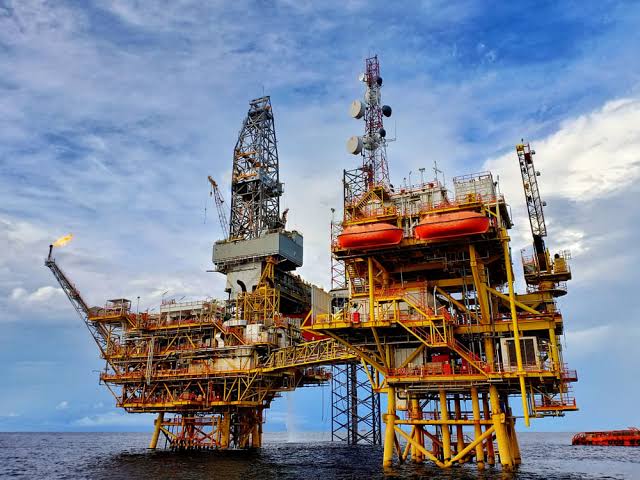
Nigeria is targeting up to $50 billion in new offshore oil and gas investments by 2030 as part of efforts to increase crude oil production, boost government revenue and maintain its position as Africa’s leading oil producer. The ambitious projection was unveiled by the Nigerian Upstream Petroleum Regulatory Commission (NUPRC), which said the country is working to attract investors through regulatory reforms and improved operating conditions.
According to the Commission, at least 22 offshore oil and gas projects are expected to come on stream over the next four years, with several international oil companies already advancing exploration and field development plans. Officials said the projects are expected to significantly increase Nigeria’s crude oil and natural gas output while generating employment opportunities and stimulating economic growth.
The regulator attributed the renewed investor interest to reforms introduced under the Petroleum Industry Act (PIA), improved fiscal incentives and ongoing efforts by the Federal Government to provide a more stable investment climate. It noted that Nigeria possesses vast offshore reserves capable of supporting long-term production and export growth.
Industry experts said offshore projects have become increasingly attractive because they generally face fewer security challenges than onshore operations, where crude oil theft, pipeline vandalism and illegal refining have continued to affect production. They added that deep-water developments also offer higher production potential and longer project lifespans.
Analysts believe achieving the investment target will depend on sustained policy consistency, improved security, timely regulatory approvals and the availability of critical infrastructure. They also stressed the need for stable global oil prices and continued collaboration between government agencies and industry operators.
Stakeholders further noted that increased offshore investment could strengthen Nigeria’s foreign exchange earnings, improve government revenue and support the country’s broader economic diversification agenda through greater investment in gas development and related industries.

Observers said that if the planned projects are successfully executed, Nigeria could reinforce its position as one of Africa’s most attractive destinations for upstream energy investment while contributing to global energy supply and creating new opportunities for indigenous oil and gas companies.