
By Stephen Simon
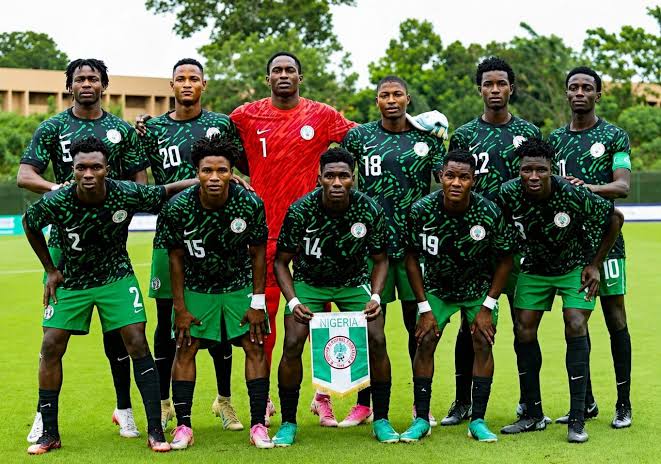
Nigeria’s Flying Eagles will miss the 2027 Africa U-20 Cup of Nations and the subsequent FIFA U-20 World Cup after suffering a heavy 4-1 defeat to Burkina Faso in the final of the 2026 WAFU Zone B U-20 Championship.
The decisive encounter was played on Sunday at the Stade Charles Konan Banny in Yamoussoukro, Côte d’Ivoire, where Burkina Faso’s Young Stallions completed a double over Nigeria to claim the regional title.
The defeat ended Nigeria’s hopes of retaining the WAFU Zone B crown and securing one of the zone’s two qualification places for next year’s U-20 AFCON, which will be hosted by Ghana.
The Flying Eagles had entered the final determined to avenge their earlier group-stage defeat to Burkina Faso, who had beaten Nigeria 2-0 during the preliminary stage of the competition.
However, Nigeria’s hopes of revenge suffered a major setback within the opening 15 minutes as the Flying Eagles conceded three goals, leaving the team with a huge deficit to overcome.
The Nigerian side managed to reduce the deficit through a second-half penalty and briefly raised hopes of a comeback, but Burkina Faso added another goal late in the encounter to complete the emphatic victory.
The result means Nigeria, seven-time African champions at the U-20 level, will not participate in the 2027 U-20 AFCON.
The absence from the continental tournament also automatically ends Nigeria’s hopes of appearing at the 2027 FIFA U-20 World Cup in Azerbaijan, making the setback particularly damaging to the country’s youth football programme.
Burkina Faso, having defeated Nigeria twice during the competition, will represent WAFU Zone B at next year’s continental championship alongside hosts Ghana.
The Young Stallions’ victory also continued their recent dominance over the Flying Eagles in the regional competition, following their 1-0 victory over Nigeria in the 2024 WAFU Zone B championship in Lomé.

Nigeria had won the WAFU Zone B title in 2024 and arrived in Côte d’Ivoire hoping to retain the trophy and maintain their traditional dominance of youth football in the region.
The failure to qualify represents another setback for Nigerian football at a time when questions are being raised over the country’s ability to consistently develop and successfully transition young players into the senior national teams.
For the Flying Eagles, attention will now shift towards rebuilding the team and identifying the lessons from the disappointing campaign, particularly after conceding three goals within the opening quarter of an hour of a final with such high stakes.
The defeat also means that Nigerian football authorities will have to wait for another qualification cycle to restore the country’s presence at the FIFA U-20 World Cup.
For Burkina Faso, however, the victory provides an opportunity to build on their impressive regional campaign and compete for continental honours at the 2027 U-20 AFCON.