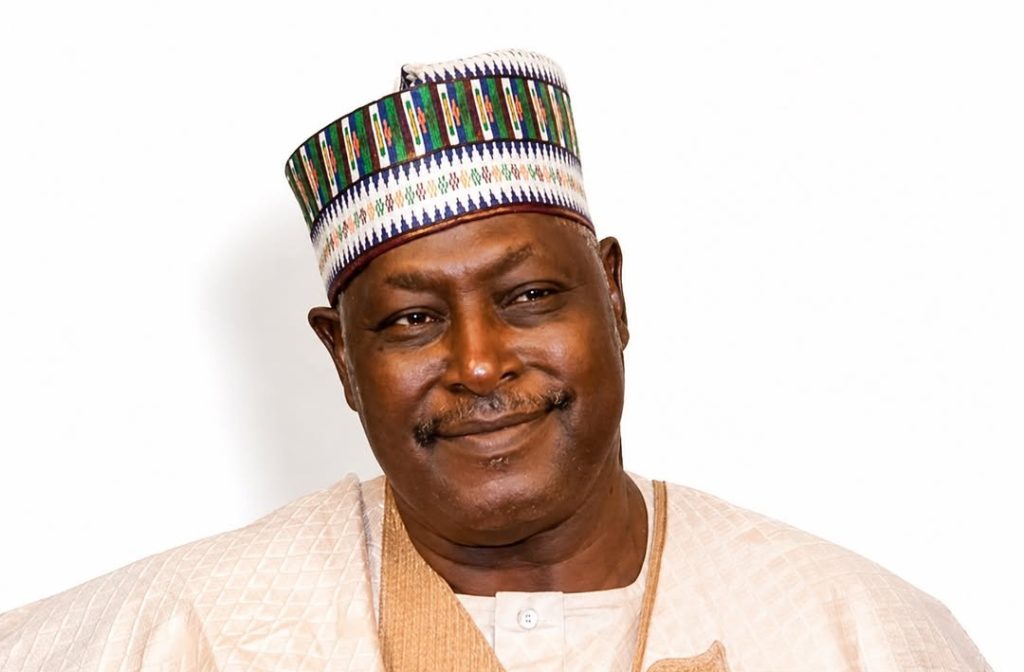

By Stephen Simon
Fresh cracks have emerged within Nigeria’s opposition ranks ahead of the 2027 general elections following the resignation of former Secretary to the Government of the Federation, Babachir David Lawal, from the African Democratic Congress (ADC).
Lawal’s departure is the latest development in a growing wave of political tensions and internal disagreements that have continued to unsettle opposition parties seeking to build a united front against the ruling All Progressives Congress (APC).
In a resignation letter made public on Monday, the former SGF cited what he described as irregularities surrounding the party’s presidential nomination process, alleging that the exercise was skewed in favour of a preferred candidate and failed to reflect the democratic principles the party claimed to uphold.
The former APC chieftain expressed disappointment with the direction of the party, saying recent events had eroded his confidence in its ability to provide the credible alternative many Nigerians were yearning for ahead of the next election cycle.
Although he stopped short of announcing his next political destination, Lawal said his decision followed extensive consultations with political associates and supporters across the country.

His resignation is expected to further complicate efforts by opposition figures to forge a broad coalition capable of challenging the ruling party in 2027.
Political observers say the development highlights the persistent leadership struggles, ideological differences and competing ambitions that have historically undermined opposition alliances in Nigeria.
The ADC has in recent months attracted several prominent politicians seeking a platform for coalition-building ahead of the next presidential election. However, disagreements over leadership positions, candidate selection and power-sharing arrangements have increasingly generated friction within the party.
Lawal’s exit comes at a particularly sensitive time, as opposition parties continue negotiations aimed at strengthening cooperation and presenting a unified challenge to President and the APC in the next electoral contest.
Analysts warn that the inability of opposition leaders to manage internal disputes could weaken public confidence and diminish their chances of mounting a serious electoral challenge.
The latest development has also reignited debate over the recurring pattern of defections and political realignments that often characterise Nigeria’s political landscape in the build-up to major elections.
For many voters, the resignation raises fresh questions about whether opposition parties can overcome personal and factional interests long enough to build a stable and credible alternative government.
While the ADC leadership has yet to issue a detailed response to Lawal’s allegations, party insiders insist the nomination process was conducted in accordance with established guidelines and democratic procedures.

Babachir Lawal served as Secretary to the Government of the Federation under former President before leaving office in 2017. Over the years, he has remained an influential voice within northern political circles and has been actively involved in coalition discussions ahead of the 2027 elections.
His resignation comes amid intensified political manoeuvring by opposition leaders seeking to reposition their parties and build strategic alliances capable of reshaping the country’s political landscape before the next general election.
With the race to 2027 gradually taking shape, analysts believe further defections, alliances and political realignments are likely in the months ahead as politicians seek platforms that best advance their ambitions and electoral prospects.