By Stephen Simon
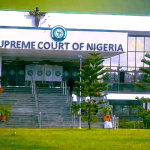
More than three years after one of the darkest days in Nigeria’s recent history, a Federal High Court in Abuja has convicted four men for their roles in the horrific June 5, 2022 terrorist attack on St. Francis Xavier Catholic Church, Owo, Ondo State, an atrocity that left scores of worshippers dead and more than 100 others wounded.
The court found four of the five defendants guilty on all nine counts of terrorism preferred against them by the Federal Government, marking a significant milestone in the long quest for justice over a massacre that shocked Nigeria and drew international condemnation.
The convicted suspects were among five men arraigned before the court on August 11, 2025. They include Idris Omeiza, Al-Qasim Idris, Jamiu Abdulmalik, Abdulhaleem Idris and Momoh Otuho Abubakar, all accused of participating in the deadly attack and belonging to a terrorist network allegedly linked to Al-Shabaab.
According to the Federal Government, the suspects joined the terrorist group in 2021 and operated a cell in Kogi State. Prosecutors told the court that they held a series of meetings in Kogi and Ondo states where plans for the church attack were finalised before the operation was executed.
The government alleged that the attackers stormed the church armed with AK-47 rifles and improvised explosive devices (IEDs), unleashing terror on worshippers gathered for Pentecost Sunday Mass. The attack, prosecutors said, was carried out in furtherance of the group’s extremist religious ideology.
A Day Owo Will Never Forget
The conviction revives painful memories of that tragic Sunday morning when worshippers, including women, children and the elderly, gathered at St. Francis Xavier Catholic Church expecting a day of prayer and celebration.

Instead, gunmen struck during the service in what witnesses described as a coordinated and merciless assault. Attackers reportedly opened fire on worshippers and detonated explosives, trapping many victims inside the church compound while others were gunned down as they attempted to flee.
The massacre left bodies strewn across the church premises, while survivors recounted scenes of panic, confusion and unimaginable horror.
At least 41 worshippers were killed and more than 100 others sustained varying degrees of injuries, according to evidence presented during the trial. The attack left an indelible scar on the ancient town of Owo and shattered the sense of peace long associated with Ondo State.
The killings triggered national outrage. Religious leaders, political figures, foreign governments and international organisations condemned the attack, while grieving families demanded swift justice for the victims.
For months, uncertainty surrounded the identity of those responsible. Security agencies launched extensive investigations, while survivors struggled to rebuild lives permanently altered by loss and trauma.
The prosecution’s case was largely driven by investigations conducted by the Department of State Services (DSS).
During the trial, DSS witnesses told the court that the suspects were funded, armed and mobilised before the attack. Investigators also relied on confessional statements and telecommunications analysis that allegedly placed several of the defendants in the vicinity of the church around the time of the massacre.
Victims who survived the attack also testified during the proceedings, providing chilling accounts of how the terrorists carried out the operation and identifying some of the accused persons.

The trial, which began after the suspects were formally arraigned in August 2025, became one of the country’s most closely watched terrorism prosecutions.
For many families who lost loved ones in the massacre, the convictions may provide a measure of comfort, though not closure.
No court verdict can restore the lives cut short that Pentecost morning. No judgment can erase the grief carried by parents who buried children, spouses who lost partners, or survivors who still live with the physical and emotional scars of the attack.
Yet the ruling represents an important affirmation that acts of terror can be investigated, prosecuted and punished through the rule of law.
As the nation reflects on the verdict, memories of the victims remain at the centre of the story: the worshippers who left home for church on a peaceful Sunday morning and never returned.
For Owo, a community forever changed by tragedy, the judgment stands as a significant step in a long journey toward healing, accountability and justice