
By Stephen Simon
Several state governments are intensifying emergency preparedness measures following heavy rainfall and renewed warnings of possible flooding in vulnerable communities across the country. Emergency management agencies have urged residents living in flood-prone areas to remain vigilant and comply with safety advisories to minimise the risk of loss of lives and property as the rainy season gathers momentum.
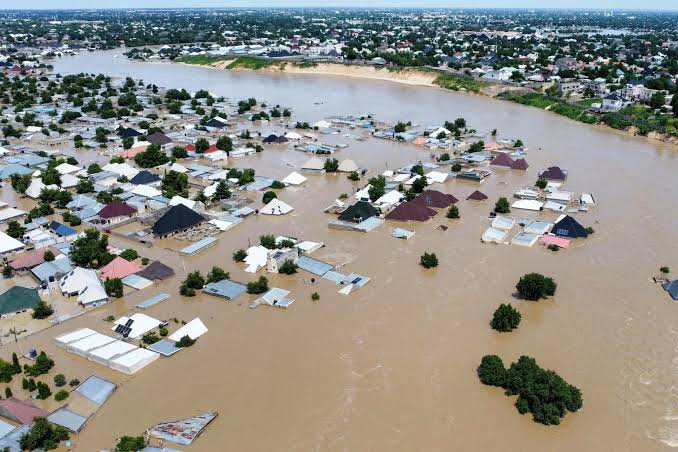
In recent weeks, parts of Niger, Kogi, Benue, Adamawa, Borno, Jigawa, Kebbi, Lagos and Bayelsa states have experienced heavy rainfall, with reports of flooded roads, submerged farmlands, damaged homes and the displacement of some residents in low-lying communities. Although the severity has varied from state to state, emergency officials say the situation underscores the need for heightened preparedness as rainfall intensifies nationwide.
Authorities say efforts are underway to clear blocked drainage systems, monitor water levels and sensitise communities on the dangers of ignoring early warning signs. Officials have also called on local governments, traditional rulers and community leaders to support awareness campaigns aimed at reducing the impact of flooding.
Several state governments have begun desilting drainage channels, identifying temporary shelters for displaced persons and positioning relief materials in flood-prone communities. Emergency response teams have also been placed on standby in areas considered to be at high risk should water levels continue to rise.
Experts have warned that heavy rainfall, poor drainage infrastructure, indiscriminate waste disposal and the occupation of natural waterways continue to increase the risk of flooding in many parts of the country. They stressed the need for stronger urban planning and sustained investment in flood control infrastructure to mitigate future disasters.
The National Emergency Management Agency (NEMA) has continued to coordinate preparedness activities with State Emergency Management Agencies through public enlightenment campaigns, emergency response planning and collaboration with other stakeholders. Residents in vulnerable communities have been advised to monitor official weather forecasts and report signs of imminent flooding to the appropriate authorities.
Environmental specialists say climate change has contributed to more frequent and intense rainfall patterns, making disaster preparedness an essential component of national and state development planning. They urged governments at all levels to invest more in resilient infrastructure, improved drainage systems and effective environmental management.

Stakeholders also called for greater public cooperation, noting that many flood incidents are worsened by blocked drainage channels caused by indiscriminate refuse disposal. They urged residents to support sanitation efforts, avoid dumping refuse in waterways and comply with evacuation directives whenever issued by emergency authorities.
With the peak of the rainy season still ahead, emergency managers have warned that sustained preparedness, early intervention and close cooperation between government agencies and communities will be crucial in reducing the humanitarian and economic impact of flooding. They expressed optimism that proactive measures taken now could significantly reduce the devastation that has accompanied seasonal floods in previous years.