
By Stephen Simon
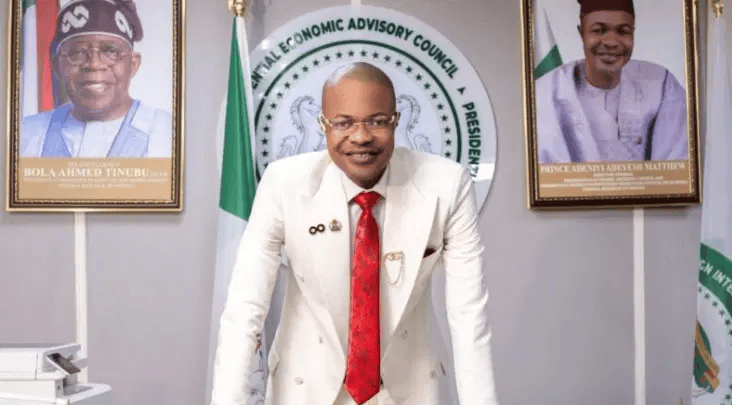
The controversy surrounding the alleged fake Presidential Foreign Intervention Promotion Council (PFIPC) intensified on Friday as fresh details emerged over how the non-existent body secured a ₦1.3 billion allocation in the 2026 national budget and allegedly operated from the Federal Secretariat in Abuja, raising fresh concerns over accountability in government institutions.
The scandal has attracted nationwide attention after President Bola Tinubu directed the Independent Corrupt Practices and Other Related Offences Commission (ICPC) to carry out a comprehensive investigation into the activities of the purported council and all individuals connected to it. The anti-graft agency has been given 30 days to conclude its investigation and submit a report to the President.
According to the Presidency, the PFIPC was never created by any law, executive order or presidential approval. The Chief of Staff to the President, Femi Gbajabiamila, had earlier publicly disowned the organisation, warning that one Adeniyi Adeyemi Matthew falsely claimed to have been appointed to head the council using forged documents and the Chief of Staff’s name.
Despite the Presidency’s denial, the alleged council reportedly appeared in the 2026 Appropriation Act with a budgetary allocation of about ₦1.3 billion. Reports also indicated that it operated from office space within the Federal Secretariat and allegedly held meetings with foreign diplomats and financial institutions, prompting questions over how the organisation gained official recognition and access to government facilities.
The development has sparked widespread calls for transparency, with civil society organisations, opposition figures and members of the public demanding a thorough investigation into how the allocation was approved and whether public officials aided the activities of the alleged council. The House of Representatives has also indicated interest in examining the circumstances surrounding the budget allocation, while the Senate has witnessed heated debate over the issue.
Political analysts say the scandal has placed renewed attention on Nigeria’s budget process and internal controls within public institutions, especially as preparations gather pace for the 2027 general elections. They argue that the outcome of the ICPC investigation could influence public confidence in the government’s commitment to fighting corruption and strengthening institutional accountability.

Meanwhile, the Presidency has urged Nigerians, foreign diplomatic missions, development partners and financial institutions to disregard any claims by individuals purporting to represent the PFIPC, insisting that the body has no legal existence under the current administration. The government has pledged full cooperation with investigators and assured the public that anyone found culpable will face the full weight of the law.