
By Stephen Simon
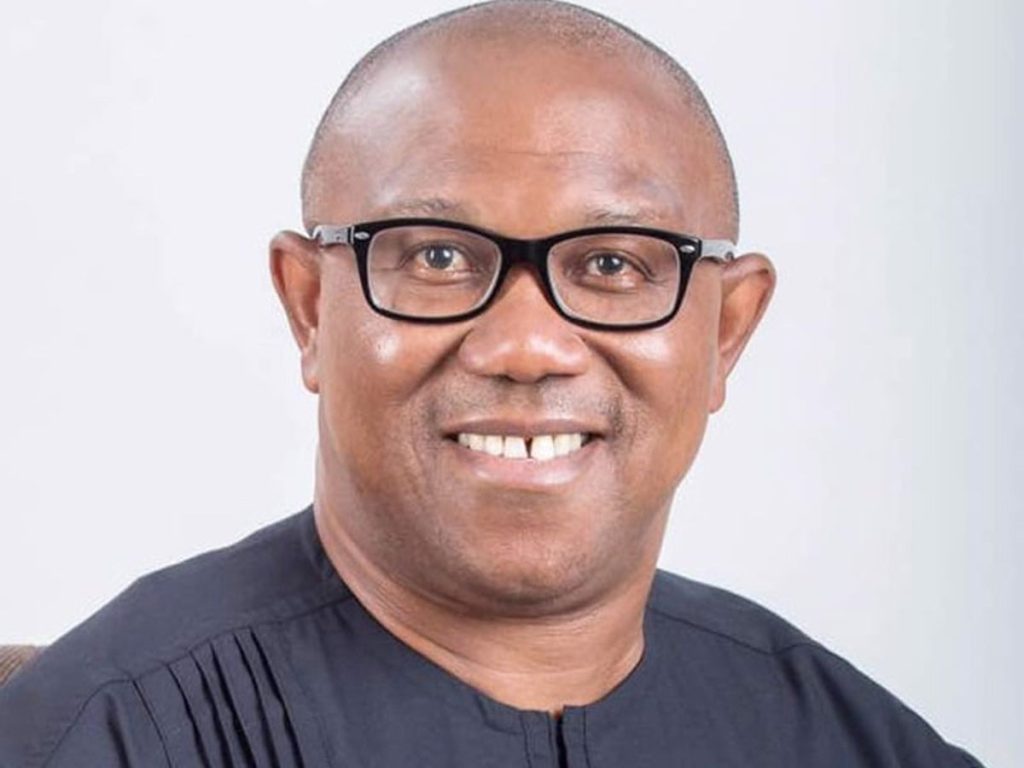
The presidential candidate of the Nigeria Democratic Congress (NDC), Mr. Peter Obi, has indicated that the 2027 general election may be his final attempt at Nigeria’s highest political office, citing the country’s informal power-sharing arrangement and his advancing age as reasons he is unlikely to contest again in 2031.
Obi made the remarks during an interview with media personality Rufai Oseni, where he was asked whether he would seek the presidency again if he failed to win the 2027 election. The former Anambra State governor said while politics remains unpredictable, the likelihood of another presidential bid after 2027 is “very slim.”
According to him, his decision would largely depend on what happens after the 2027 poll and whether the presidency remains in the South or returns to the North in line with Nigeria’s long-standing but unwritten zoning arrangement between the two regions. He noted that if power rotates to the North in 2031, it would take another eight years before it could return to the South.
Obi explained that by the time such a political cycle is completed, he would be about 78 years old, making another presidential contest unrealistic. “The probability is very slim,” he said, adding that although politics is dynamic and circumstances can change, he is not planning his future around another opportunity beyond 2027.
He, however, stressed that if political developments after 2027 result in the presidency remaining in the South, there could still be a slight possibility of another bid, but maintained that such a scenario was not something he was counting on.
The former governor’s comments come amid heightened political activities ahead of the 2027 general election, with major political parties and opposition groups already positioning themselves for what is expected to be a fiercely contested race. Obi has consistently maintained that his ambition is driven by a desire to rebuild Nigeria’s economy, strengthen institutions and improve governance.

Obi’s latest remarks are likely to fuel further debate over succession politics and the future of Nigeria’s zoning arrangement, a political convention that has, over the years, shaped the country’s presidential contests despite not being expressly provided for in the Constitution. As political alignments continue to evolve ahead of the 2027 election, his comments are expected to remain a talking point within the nation’s political landscape.