
By Stephen Simon
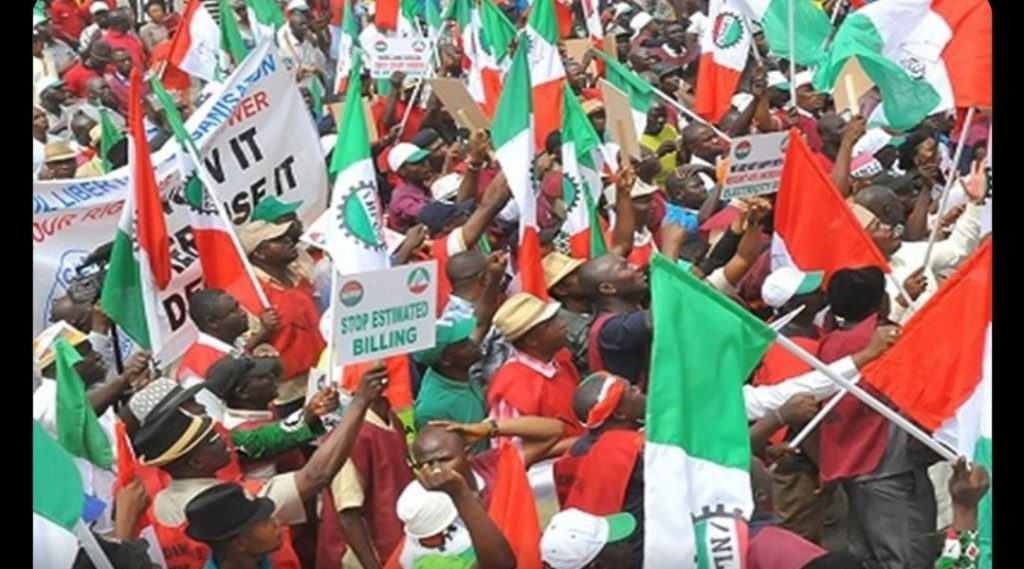
Organised labour in the federal public service has issued a Friday ultimatum to the Federal Government, demanding the immediate release of funds to settle three months of outstanding wage awards and other unpaid allowances owed to workers across Ministries, Departments and Agencies (MDAs).
The ultimatum was conveyed by the Joint National Public Service Negotiating Council (Trade Union Side) in a letter addressed to the Federal Ministry of Labour and Employment. The unions warned that failure by the government to meet the deadline would compel the eight civil service unions to take decisive industrial action.
The labour leaders accused the Federal Government of withholding funds meant for the payment of the outstanding wage awards, insisting that the relevant government agencies were ready to process the payments once the Ministry of Finance released the required funds.
According to the unions, the wage award was introduced as a temporary relief measure following the removal of fuel subsidy and was expected to cushion the economic hardship faced by workers pending the implementation of the new national minimum wage. They, however, lamented that three months of the payments remain outstanding despite repeated engagements with government.
The workers also demanded the payment of outstanding promotion arrears, salary arrears owed to employees recruited between 2015 and 2024, and the full implementation of the 40 per cent peculiar allowance tied to the new minimum wage structure.

Copies of the ultimatum were forwarded to the Office of the Head of the Civil Service of the Federation, the Nigeria Labour Congress (NLC), the Trade Union Congress (TUC), security agencies and other relevant stakeholders to underscore the seriousness of the unions’ demands.
The latest warning signals renewed tension between organised labour and the Federal Government, raising concerns over the possibility of industrial action if the outstanding payments are not made within the stipulated timeframe. Labour leaders insist that meeting the workers’ welfare demands is essential to sustaining industrial harmony and improving productivity in the nation’s public service.