
By Stephen Simon
The United Nations has expressed deep concern over the worsening security situation in the Middle East, warning that the conflict is rapidly approaching a dangerous level capable of triggering wider regional instability and disrupting the global economy.
UN Secretary-General António Guterres urged all parties involved in the conflict to exercise maximum restraint and return to diplomatic engagement, stressing that continued military operations risk plunging the region into a humanitarian and political crisis with far-reaching international consequences.
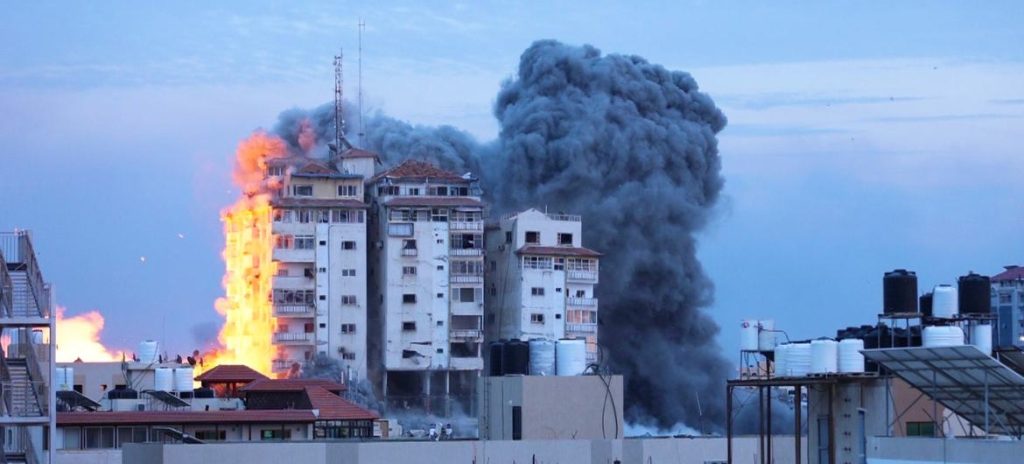
The latest warning comes amid continued United States military strikes on Iranian targets and renewed threats to international shipping routes in the Red Sea and the Strait of Hormuz, waterways that are critical to global oil supplies and international trade.
Analysts say the prolonged hostilities have already pushed global oil prices higher, increased uncertainty in international financial markets and heightened concerns over energy security, with many countries closely monitoring developments in the Gulf region.
Diplomatic efforts to ease tensions have continued at the United Nations and among major world powers, with several governments calling for an immediate ceasefire and renewed negotiations to prevent the conflict from spreading to neighbouring countries.

Humanitarian agencies have also warned that continued fighting could worsen the plight of civilians caught in the conflict, leading to further displacement, disruption of essential services and increased pressure on international relief organisations.
As the international community intensifies efforts to avert a broader regional war, attention remains focused on diplomatic initiatives aimed at restoring stability, safeguarding global energy supplies and preventing further deterioration of the security situation in the Middle East.