
By Stephen Simon
The Federal Government has launched a $552 million education reform programme aimed at improving learning outcomes, expanding access to quality basic education and strengthening the country’s public school system. The initiative, known as the HOPE for Quality Basic Education for All (HOPE-EDU) programme, is supported by the World Bank and the Global Partnership for Education.
President Bola Tinubu formally launched the programme in Abuja, describing education as the foundation of national development and stressing that the initiative would help equip Nigerian children with the skills needed to compete in a rapidly changing global economy.
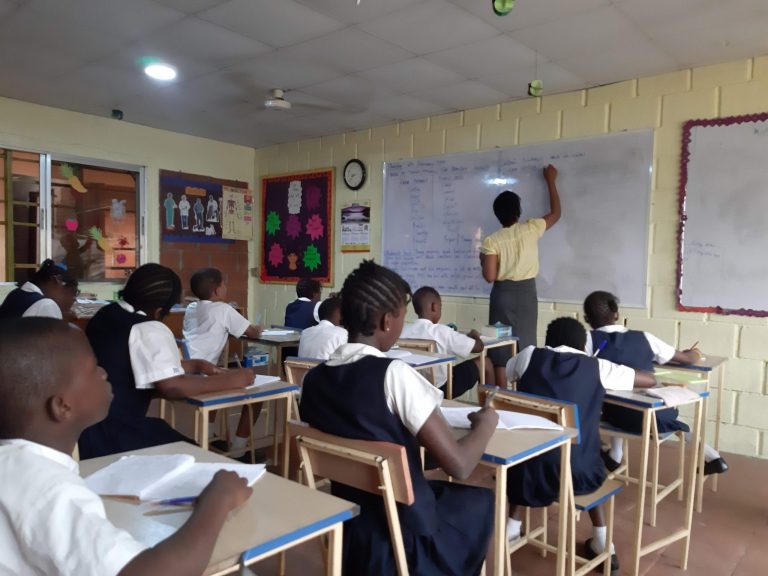
According to the President, the programme is expected to benefit about 29 million pupils, more than 500,000 teachers, over 65,000 public schools and about 10,000 non-formal learning centres across the country.
The initiative will focus on improving literacy and numeracy, upgrading school infrastructure, enhancing teacher training and strengthening education governance through improved monitoring and accountability mechanisms.
Government officials said the programme would also support state governments in addressing challenges such as out-of-school children, inadequate learning facilities and poor teacher quality, while promoting greater equity in access to education, especially for girls and children in underserved communities.

The World Bank and the Global Partnership for Education said the funding demonstrates continued international support for Nigeria’s education sector and reflects confidence in the country’s efforts to improve human capital development through sustained reforms.
The Federal Government expressed optimism that the programme would significantly improve learning outcomes, reduce the number of out-of-school children and lay a stronger foundation for economic growth by producing a better educated and more skilled workforce.