
By Stephen Simon
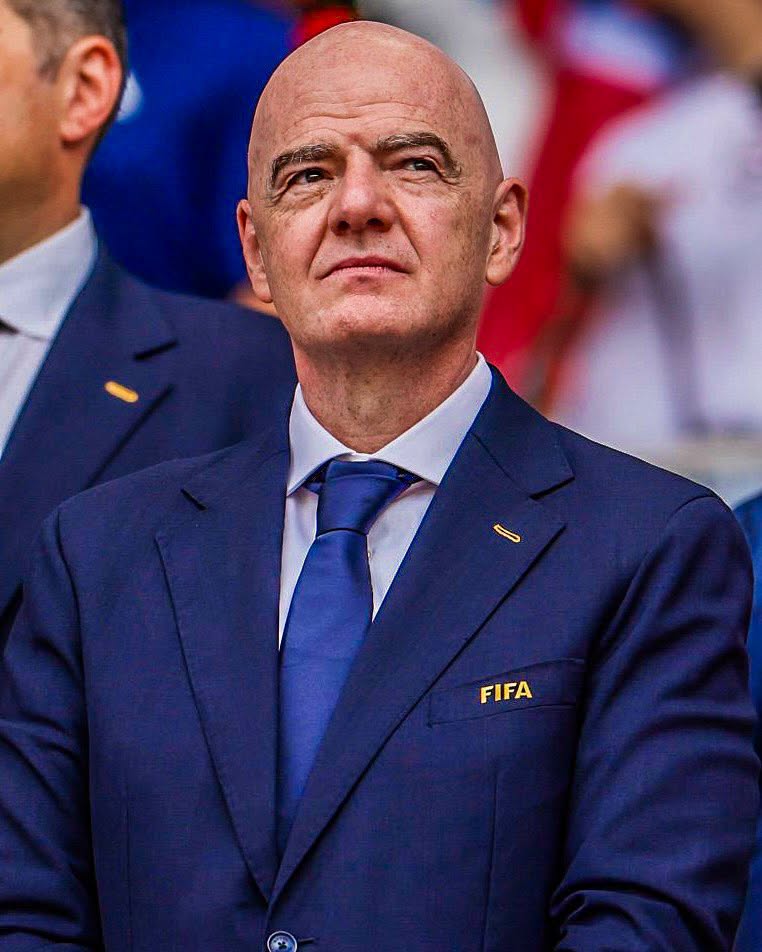
FIFA President Gianni Infantino is facing one of the biggest leadership challenges of his presidency following the collapse of a controversial proposal to sell a stake in the commercial rights to future FIFA World Cups, a move that sparked fierce opposition from football confederations and national associations across the globe..
The proposal, which was discussed during meetings of FIFA’s governing bodies, sought to attract private equity investment into a new commercial entity that would manage some of FIFA’s most valuable commercial assets, including future World Cup revenues. The deal, reportedly valued at up to $4.2 billion, was presented as a means of generating fresh capital to support football development and expand the sport globally.
However, the initiative immediately drew criticism from several of FIFA’s key stakeholders, including UEFA, CONCACAF and a number of national football associations. Critics argued that the proposal had been introduced without adequate consultation and warned that allowing private investors to acquire a stake in football’s most prestigious tournament could undermine FIFA’s independence and commercial control in the long term.
Faced with mounting resistance, Infantino was forced to abandon the proposal before it could be put to a formal vote. The withdrawal has exposed rare divisions within the global football governing body and prompted renewed debate over the decision-making process at FIFA and the future direction of the organisation under Infantino’s leadership.

The controversy has fuelled wider concerns over governance and transparency at FIFA, with some football administrators questioning whether the governing body had adequately assessed the long-term implications of bringing private equity investors into its commercial structure. Analysts say the episode has dented Infantino’s political standing within world football at a time when unity among FIFA’s member associations is increasingly important.
Adding to the controversy were reports suggesting that Infantino had sought political support from United States President Donald Trump following the backlash over the proposal. FIFA has strongly rejected the claims, describing them as entirely false and insisting that the organisation remains committed to independent decision-making free from political influence.
Sports business experts say the failed proposal reflects the growing commercialisation of global football, where governing bodies are under increasing pressure to generate new sources of revenue while balancing the interests of member associations, sponsors and supporters. They warn that although private investment could unlock substantial financial resources, it also raises questions about who ultimately controls the future of the world’s biggest sporting event.
With the proposal now shelved, attention is shifting to the political consequences for Infantino. While he remains FIFA President, observers believe the episode has emboldened critics who have long called for greater transparency and broader consultation in the administration of world football. Whether the controversy has any lasting impact on his authority or future ambitions within FIFA is likely to become clearer as preparations continue for the 2027 FIFA Congress.