
By Stephen Simon
The Federal Government has unveiled a fresh set of measures aimed at reducing the soaring cost of food across the country, as Nigerians continue to grapple with the high cost of living. The intervention is expected to boost agricultural production, improve food distribution, and curb inflation in the coming months.
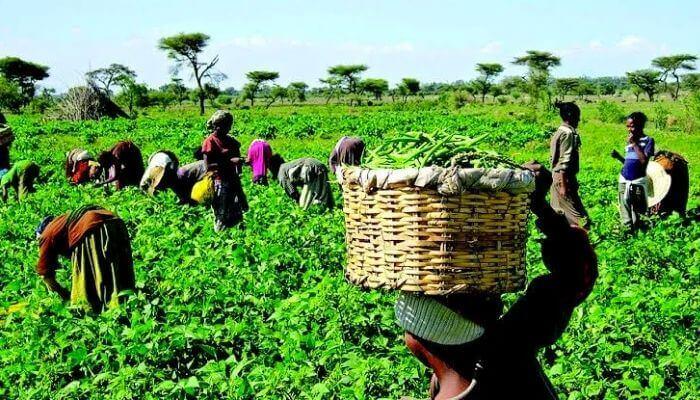
Officials said the new strategy would involve increased support for farmers through the provision of improved seedlings, fertilizers, mechanized farming equipment, and easier access to low-interest agricultural loans. The government also plans to strengthen security in farming communities to enable displaced farmers to return to their fields.
Speaking on the initiative, government officials stressed that food security remains one of the administration’s top priorities, noting that recent investments in agriculture are designed to increase local production and reduce dependence on food imports. They expressed confidence that the measures would gradually stabilize food prices nationwide.
Agricultural experts, however, urged the government to ensure that the intervention reaches genuine farmers rather than middlemen. They argued that previous intervention programmes had yielded limited results because of poor implementation, inadequate monitoring, and insecurity in major food-producing areas.
Consumer groups welcomed the announcement but maintained that Nigerians expect to see tangible results rather than policy declarations. They noted that many households continue to struggle with the rising prices of staple foods, transportation, and other essential commodities.
Economists also emphasized the need for complementary policies to address inflation, improve rural infrastructure, and enhance access to markets. According to them, boosting agricultural productivity alone may not be sufficient unless challenges relating to logistics, storage facilities, and electricity supply are also addressed.

The latest initiative comes as the government faces increasing pressure to ease economic hardship and improve living conditions. Many Nigerians will be watching closely in the coming months to see whether the new measures translate into lower food prices and improved food availability across the country.