
By Stephen Simon
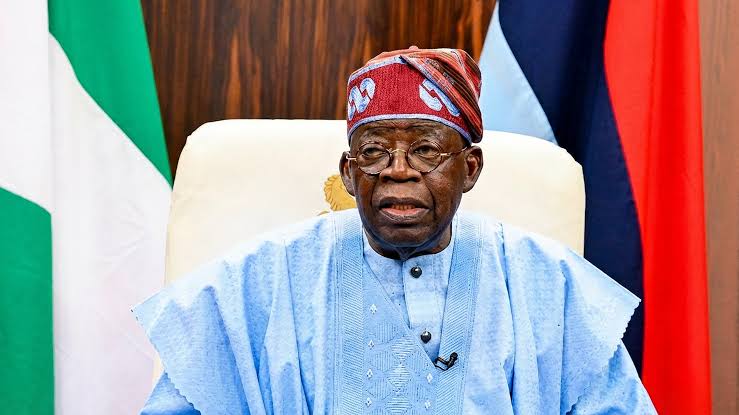
ABUJA — President Bola Ahmed Tinubu has insisted that his administration’s controversial economic policies are delivering concrete results, declaring that Nigeria remains firmly on track to build a $1 trillion economy by 2030 despite the ongoing hardships facing citizens.
Speaking through the National Chairman of the All Progressives Congress (APC), Prof. Nentawe Yilwatda, at the second edition of the Asiwaju Scorecard Series and Policy Roundtable in Abuja, the President presented a upbeat assessment of key macroeconomic indicators:
Gross External Reserves: Climbed to $52.7 billion as of August 2026.
Non-Oil Revenue: Increased from ₦13.63 trillion in 2023 to ₦16.4 trillion in the first two quarters of 2026 alone.
Merchandise Trade Surplus: Surged to ₦7.54 trillion in Q1 2026—a drastic leap from the ₦44.8 billion recorded in full-year 2023.

Real GDP & Inflation: GDP expanded by 4.43% in Q2 2026, while inflation eased significantly to 15.4%
Acknowledging the persistent strain on household budgets, Tinubu emphasized that macroeconomic figures are merely the “foundation” and not the ultimate destination. “The ultimate test is when stability translates into cheaper food, more jobs, affordable credit, reliable electricity, and greater purchasing power for Nigerians,” he stated.
Key Pillars of the $1 Trillion Roadmap
To achieve the 2030 target, the administration outlined a master plan anchored on massive transport infrastructure, energy expansion, and youth credit schemes:
The President also highlighted ongoing human capital investments, specifically pointing to the Nigerian Education Loan Fund (NELFUND) for higher education and the Consumer Credit Corporation (CREDICORP) to expand access to productive assets for workers and small businesses.
Reaffirming the rationale behind the removal of the fuel subsidy and foreign exchange unification in May 2023, the Presidency maintained that taking “difficult decisions” was necessary to rescue the country from fiscal collapse and position Nigeria as the primary logistics and commercial hub of West and Central Africa. .