
By Stephen Simon
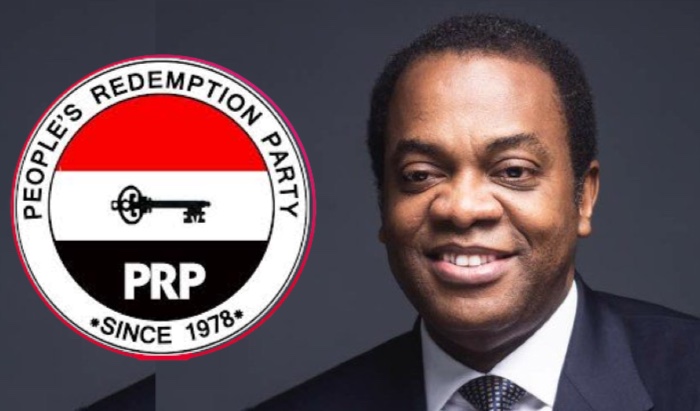
Former Cross River State Governor and Peoples Redemption Party presidential candidate, Donald Duke, has said Nigeria’s economy has effectively shrunk since the Second Republic, arguing that government spending and productivity have failed to keep pace with the country’s rapid population growth.
Duke, who spoke with journalists in Abuja, said Nigeria’s population had risen from about 76 million during the administration of former President Shehu Shagari to an estimated 230 million, while the country’s dollar-denominated spending remained around the same level.
According to him, the Shagari administration operated an average annual budget of about $25 billion between 1979 and 1983, a figure he said was still broadly comparable with Nigeria’s present spending when converted into dollars.
“Today, our population, they say, is about 230 million people. We are still spending the same $25 billion that Shagari spent 46 years ago,” Duke said.
He attributed the worsening cost-of-living crisis, poverty, unemployment and insecurity to decades of inadequate attention to productivity, stressing that government must create conditions that enable citizens to work and produce within a safe and orderly environment.

Duke also questioned the timing and economic justification of the Lagos-Calabar Coastal Highway, arguing that government should consider its opportunity cost alongside pressing needs in education, poverty reduction and existing infrastructure. He noted that he would personally benefit from the road because of his links to Lagos and Calabar, but said personal interest should not determine public expenditure.
“We have the largest number of out-of-school children in the world. We have one of the largest populations of poor people, and you are building a fancy road from Victoria Island to Calabar,” he said.
Duke further argued that economic deprivation was contributing to ethnic, religious and regional tensions, saying Nigerians often relied on identity-based connections when access to opportunities became scarce.
He called for a clear national development vision capable of aligning public spending, infrastructure, education and economic policy with the goal of making Nigerians more productive.