
By Stephen Simon
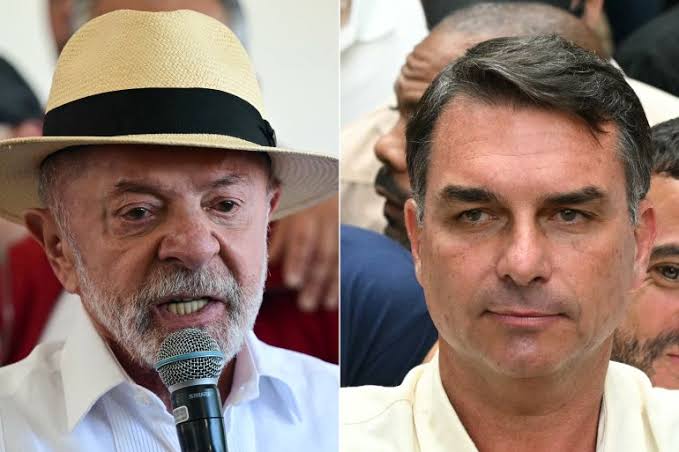
Brazil is heading for a major presidential runoff after Senator Flávio Bolsonaro edged ahead of incumbent President Luiz Inácio Lula da Silva in the first round of the country’s 2026 election.
Flávio Bolsonaro, the son of former President Jair Bolsonaro, secured about 47 per cent of the vote, compared with approximately 45 per cent for Lula, according to reports.
Neither candidate secured the majority required to win the presidency outright, setting up a second-round contest scheduled for October 25.
The result represents a significant boost for Brazil’s right-wing political movement and could return the Bolsonaro family to the centre of national power after the former president’s controversial tenure.
The election has also exposed the continuing political polarisation of Latin America’s largest country, with voters divided over economic management, public security, corruption and the direction of Brazilian democracy.
Lula, who is seeking another term, is campaigning on his record in government and promises of economic relief, while Bolsonaro is presenting himself as a candidate for political and economic change.

Financial markets reacted positively to Bolsonaro’s strong first-round performance, with investors viewing his economic platform as more supportive of fiscal discipline, privatisation and lower taxes.
The October 25 runoff is therefore expected to have implications not only for Brazil’s domestic politics but also for the country’s economy, foreign policy and relationship with the wider region.