
By Stephen Simon
Investors and financial analysts are closely monitoring Nigeria’s economic reforms amid persistent inflationary pressures, exchange rate volatility and renewed efforts by the Federal Government to stimulate economic growth.
Economic observers say recent policy measures aimed at stabilising the foreign exchange market, improving public revenue and attracting investment have begun to shape market expectations, although many businesses and households continue to grapple with the high cost of living.
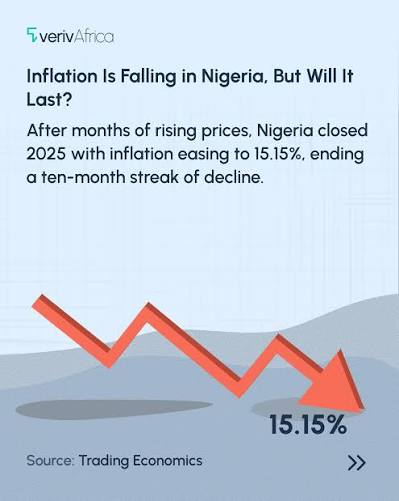
Inflation has remained one of the major challenges confronting the economy, with rising food prices, transportation costs and energy expenses placing additional pressure on consumers and businesses across the country.
Financial experts believe that sustained fiscal discipline, improved domestic production and increased foreign investment will be critical to strengthening macroeconomic stability and restoring investor confidence in the coming months.
The manufacturing and agricultural sectors have continued to call for policies that will improve access to credit, reduce production costs and address infrastructure deficits, arguing that such measures are essential for boosting productivity and creating jobs.
Meanwhile, market participants are keeping a close watch on developments in the petroleum sector, foreign exchange management and monetary policy decisions by the Central Bank of Nigeria, all of which are expected to influence the country’s economic outlook.

Analysts also stress the need for continued reforms that encourage private sector participation while protecting vulnerable households from the effects of inflation and other economic shocks.
Despite the prevailing challenges, economists remain cautiously optimistic that consistent implementation of ongoing reforms, coupled with improved security and increased investment, could support stronger economic growth and enhance Nigeria’s long-term economic resilience.