
By Stephen Simon
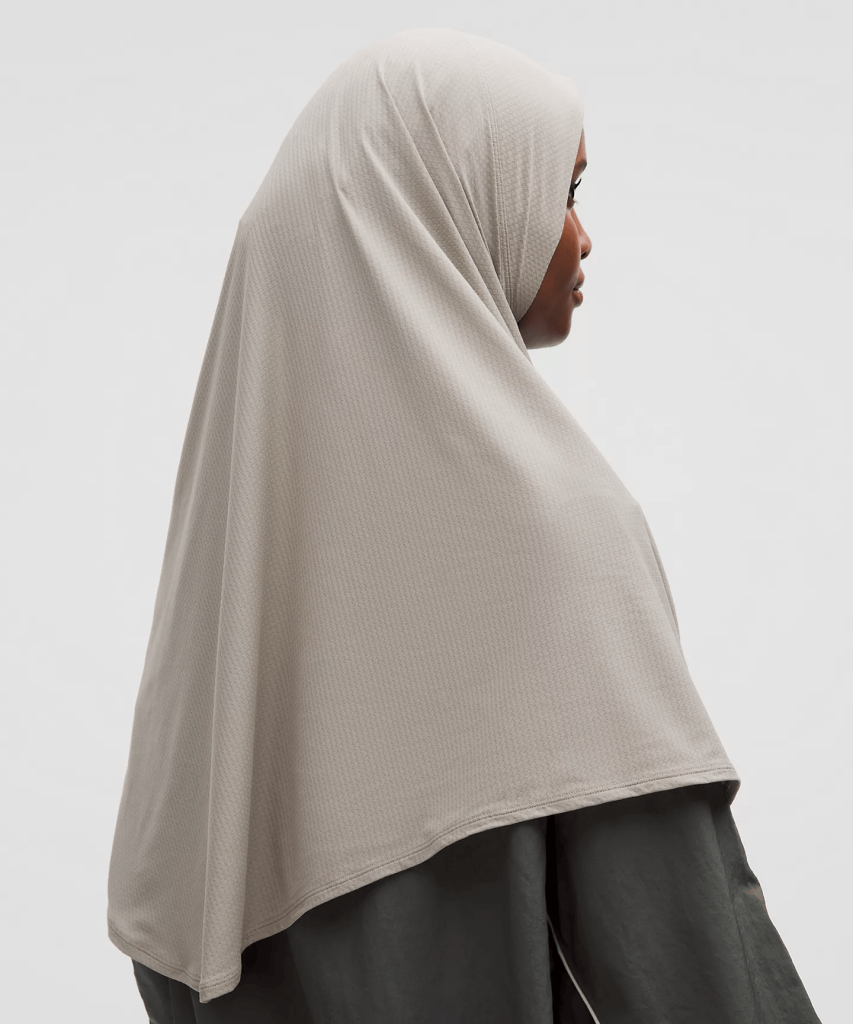
The Court of Appeal sitting in Ibadan has overturned the judgment of the Oyo State High Court that permitted female Muslim students of the International School, University of Ibadan (ISI), to wear hijab as part of their school uniform, ruling that the institution is a private school and is therefore not bound by the Supreme Court’s decision permitting the use of hijab in public schools. The decision was reached in a split judgment of two to one by a three-member panel of justices.
In the lead judgment delivered by Justice Biobele Georgewill and supported by Justice K.I. Amadi, the appellate court held that the Supreme Court’s earlier pronouncement on the use of hijab applied only to public educational institutions and could not be extended to privately run schools such as the International School, University of Ibadan. The court consequently set aside the earlier judgment delivered by the Oyo State High Court in favour of the affected students.
The appeal arose from a suit filed by 11 female Muslim students who challenged the school’s prohibition of hijab, arguing that the policy violated their constitutional rights to freedom of religion and freedom from discrimination. The Oyo State High Court had agreed with the students and ruled that the restriction was unconstitutional, prompting the school’s management to file an appeal.
In reversing the lower court’s decision, the Court of Appeal held that the students voluntarily accepted the rules and regulations governing the school by signing undertakings at the point of admission. The court reasoned that the right to manifest one’s religion, though constitutionally guaranteed, could be waived where individuals freely agree to comply with the regulations of a private institution.
Following the judgment, the management of the International School directed parents and students to comply strictly with the school’s approved dress code, warning that no student would be allowed to wear hijab with the prescribed school uniform. The directive is expected to take immediate effect pending any further legal challenge.
The ruling has generated mixed reactions from religious and civil society groups. While some legal analysts described the judgment as reinforcing the autonomy of private educational institutions to enforce their internal regulations, Muslim advocacy groups expressed disappointment and indicated that they would challenge the decision at the Supreme Court.

The judgment is expected to shape future disputes involving religious expression in private schools across Nigeria. Legal observers say the eventual outcome, should the matter proceed to the Supreme Court, could provide further clarity on the balance between constitutionally guaranteed religious rights and the authority of private institutions to regulate the conduct and appearance of their students