
By Stephen Simon
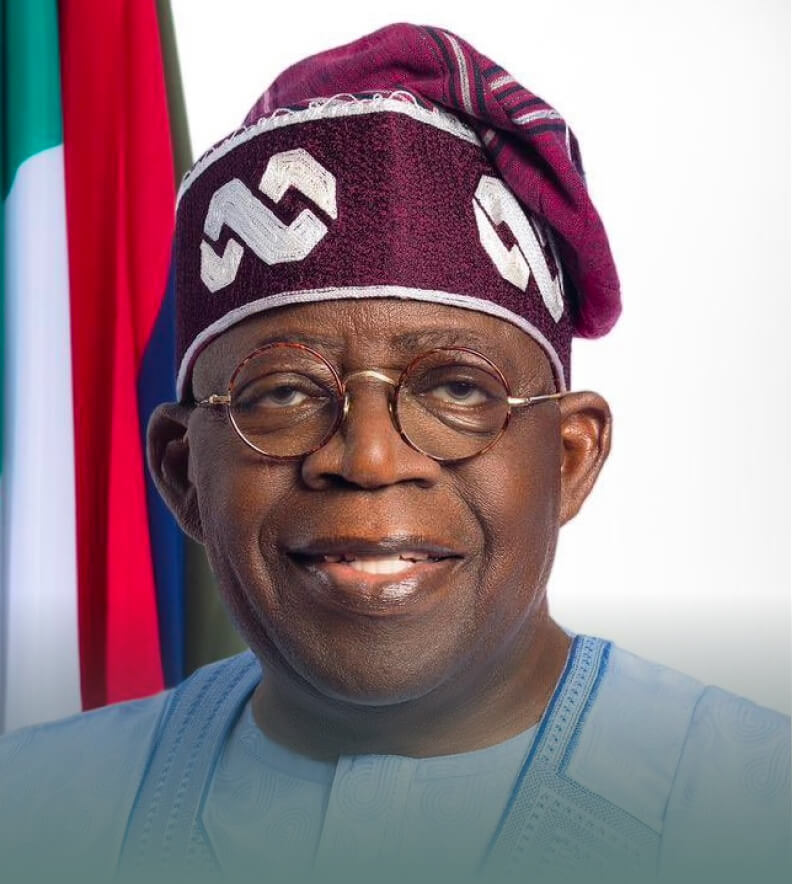
President Bola Tinubu has maintained that his administration’s economic reforms are beginning to deliver measurable results, insisting that the country has moved beyond its most difficult economic period despite the continued hardship faced by many Nigerians. The President said ongoing reforms are restoring investor confidence and laying the foundation for sustainable economic growth.
Speaking recently in Abuja, Tinubu said the government’s policies had stabilized key economic indicators and attracted renewed interest from both local and foreign investors. He acknowledged that the reforms had imposed significant short-term costs on households but argued that they were necessary to rebuild the economy on a stronger footing.
The President also told a delegation from Deloitte Africa that difficult reforms implemented over the past three years were gradually producing positive outcomes, including improved macroeconomic stability. He urged international partners to support Nigeria through investments, skills development and job creation, particularly for young people.
Supporting the government’s position, the Federation Account Allocation Committee (FAAC) shared ₦2.551 trillion among the Federal Government, states and local governments as June 2026 revenue. The allocation was driven largely by statutory revenue and Value Added Tax receipts, reflecting improved public finances.
The International Monetary Fund has also noted that reforms undertaken in Nigeria over the past three years have strengthened macroeconomic resilience and improved fiscal conditions. However, the Fund warned that inflation and the high cost of living remain major challenges, urging the government to ensure that the benefits of reforms reach ordinary Nigerians while maintaining fiscal discipline.

Analysts, however, say that while macroeconomic indicators may be improving, many Nigerians are yet to feel the impact in their daily lives. High food prices, transportation costs and persistent inflation continue to weigh heavily on households, making cost-of-living concerns one of the dominant national issues ahead of the 2027 general election.
The coming months are expected to test whether the government’s reforms can translate into lower inflation, increased employment opportunities and improved living standards. Economic performance is likely to remain one of the defining issues in Nigeria’s political and policy debates as the country moves closer to the next election.