
By Stephen Simon
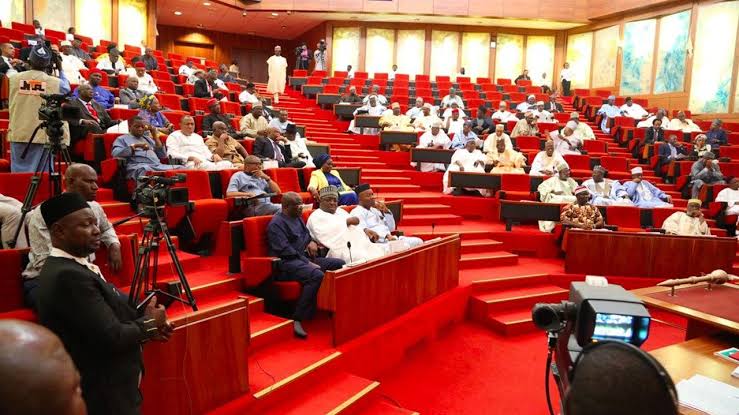
The Senate has intensified its oversight of public finances by summoning the Central Bank of Nigeria (CBN), the Nigerian National Petroleum Company Limited (NNPCL) and about 40 Ministries, Departments and Agencies (MDAs) to explain alleged failures to account for public funds and comply with provisions of the country’s fiscal responsibility laws.
The resolution followed concerns raised during the review of financial records submitted to lawmakers, with senators insisting that all government agencies must fully account for revenues generated and expenditures made from public resources. The upper chamber maintained that transparency and accountability remain central to restoring public confidence in government institutions.
The Senate Committee handling the exercise is expected to examine records relating to operating surpluses, internally generated revenue, statutory remittances and compliance with existing financial regulations. Lawmakers said agencies found to have defaulted would be required to justify their actions or face sanctions permitted under the law.
Particular attention is expected to focus on the CBN and NNPCL because of their strategic roles in Nigeria’s economy. Both institutions manage critical national resources and finances, making their accountability essential to government efforts aimed at improving fiscal discipline and strengthening public institutions.
The move comes at a time when Nigerians continue to demand greater openness in the management of public funds amid persistent economic challenges. Civil society organisations and financial experts have repeatedly urged government agencies to ensure timely remittance of revenues and strict adherence to financial regulations in order to reduce waste and improve service delivery.

Analysts believe the Senate’s investigation could also help identify weaknesses in existing financial management systems and recommend reforms that would improve transparency across government institutions. They argue that stronger legislative oversight is necessary to ensure that public resources are utilised for projects that directly benefit citizens.
Observers will now be watching closely as the affected agencies appear before the Senate committee. The outcome of the probe is expected to shape future discussions on fiscal accountability and could lead to fresh policy measures aimed at strengthening financial governance within Nigeria’s public sector.