
By Stephen Simon
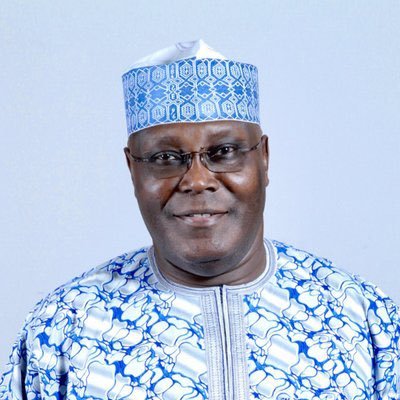
Former Vice-President and African Democratic Congress (ADC) presidential candidate, Atiku Abubakar, has reaffirmed that he would restore a form of petrol subsidy if elected president in 2027, dismissing suggestions that his position on the policy had changed.
Atiku made the clarification in Abuja on Tuesday while receiving members of the ADC leadership from Osun State. His remarks followed comments by his media aide, Paul Ibe, which appeared to suggest that the proposed subsidy programme would eventually be phased out.
According to Atiku, Ibe was not authorised to speak on his behalf on the matter. He maintained that the final position on the policy was his responsibility as the party’s presidential candidate.
The former vice-president said his proposed intervention was aimed at reducing the financial burden created by rising petrol, transportation and food costs. He stressed that the policy he envisaged would differ from the previous system of subsidising imported fuel.
Atiku explained that his approach would focus on supporting domestic refining, lowering energy costs and improving the purchasing power of Nigerians. He argued that reducing fuel prices would have a wider effect on transportation costs and, ultimately, the prices of goods and services.
He described the proposal as a targeted subsidy designed to provide relief to Nigerians while supporting local production rather than encouraging dependence on imported petroleum products.
Atiku’s Senior Special Assistant on Public Communication, Phrank Shaibu, further clarified that the proposed intervention would be capped, transparently provided for in the budget and independently audited. According to him, the programme would be structured to support domestic refiners and producers while limiting opportunities for abuse.
Shaibu added that the policy would not be tied to a fixed termination date. Instead, he said government support would be gradually reduced as domestic refining capacity increases, fuel availability improves and greater competition develops within the downstream petroleum sector.
The renewed commitment has added fresh momentum to the political debate over fuel subsidy in Nigeria. President Bola Tinubu removed the petrol subsidy shortly after assuming office on May 29, 2023, a decision that led to a significant increase in fuel prices and intensified the cost-of-living crisis.
Atiku had previously promised to revisit the subsidy policy, arguing that the government’s economic reforms should have been accompanied by stronger measures to protect households from rising living costs.

Earlier, Ibe explained that the proposed arrangement could involve supplying crude oil to local refineries at discounted rates, enabling them to produce petrol and diesel at lower costs. He said an independent body could determine the appropriate crude price, while the government would monitor pump prices to ensure compliance by refiners and marketers.
Ibe argued that the measure would offer short-term economic relief while stimulating production, improving productivity and supporting businesses and households affected by higher energy costs.
Atiku’s latest statement, however, makes clear that his 2027 campaign remains committed to a targeted subsidy model, with domestic refining and production at the centre of the proposed policy.